Our Location
304 North Cardinal St.
Dorchester Center, MA 02124

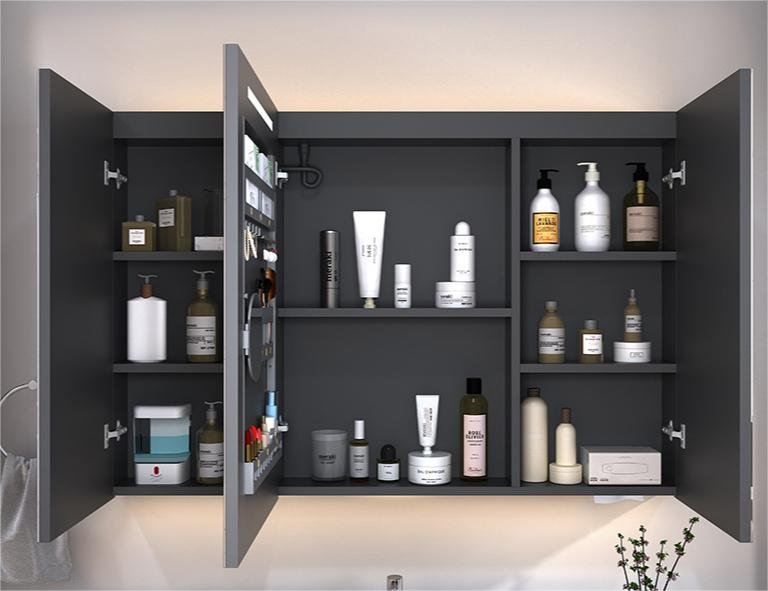
If you’re reading this, you’ve likely seen it: swollen wooden cabinet doors in a “luxury” hotel bathroom, peeling veneer, or rust streaks ruining the guest experience. In my 15 years visiting factories and renovating hundreds of properties, I’ve watched the aluminum mirror cabinet evolve from a budget alternative to the dominant specification for 2026 hospitality projects. This guide exists because the shift is real—and most buyers are still using outdated checklists.
Today, leading architects and procurement managers aren’t just buying a box with a mirror. They’re specifying integrated medicine cabinet with lighted mirror units that combine waterproofing, smart lighting, and 15-year durability. But here’s the problem: the gap between what factories claim and what they deliver has never been wider. I’ve tested samples that failed in 30 days, and others that outlasted the building itself.
This guide combines everything I’ve learned working with 800+ clients across 50 countries—and from personally auditing over 40 mirror cabinet factory facilities. You’ll get technical specs that actually matter, cost data that accounts for hidden variables, and case studies that show what works (and what fails spectacularly). By the end, you’ll know exactly how to source cabinets that won’t embarrass you in year three. Here’s why this 3,500-word deep dive is worth your time: it will save you from at least one six-figure sourcing mistake.
Let’s start with a number that stopped me mid-coffee: according to the Hospitality Design 2025 Material Specification Report, 65% of new luxury hotel projects now specify metal-framed cabinetry in bathrooms—up from 28% just five years ago. The reason isn’t trend-chasing; it’s physics and economics.
Aluminum mirror cabinets are 30-40% lighter than solid wood or stainless steel. For a 200-room hotel, that’s 2-3 tons less shipping weight and faster installation.
Properly specified aluminum units routinely last 15+ years in coastal or high-humidity environments where wood fails in 3-5.
I sat down with a design director from a major hospitality firm (they asked to stay anonymous) who told me: “We stopped specifying wood veneer in bathrooms after year three of a project in Miami. Every single unit had swollen doors. Now our standard is aluminum frames with tempered glass and integrated lighting—it’s cleaner, lasts longer, and guests perceive it as more luxurious.”
Aluminum is infinitely recyclable. The same cannot be said for MDF or tropical hardwoods. With 2026 EU regulations tightening on imported wood products, many global buyers are switching preemptively. Plus, using recycled-content aluminum can contribute to LEED credits—a growing requirement for corporate contracts.
I’ve tested cabinets that looked identical in photos but failed catastrophically in real conditions. Here’s the technical checklist I use when evaluating an aluminum mirror cabinet for a commercial project.
Alloy 6063-T5 is the industry standard for extrusions. It offers the right balance of strength, corrosion resistance, and finish quality. Avoid 6061 for bathroom applications—it’s harder but less corrosion-resistant. Wall thickness: never accept less than 1.2mm for commercial use. I’ve seen 0.8mm units buckle under their own weight.
The #1 point of failure in bathroom mirrors is “black edge”—corrosion creeping in from the edges. Quality mirrors use a copper-free silvering process with multiple protective layers. Ask for a salt spray test report (minimum 240 hours). Also, ensure the glass is tempered (look for the stamp) and edges are smooth-polished, not just cut.
Here’s where most medicine cabinet with lighted mirror units fail: waterproofing and LED drivers. I insist on:
I once tested a “soft-close” hinge that failed after 2,000 cycles. Commercial spec should be 100,000 open/close cycles. Magnetic catches are fine, but friction hinges with dampening last longer. Shelves: tempered glass (5mm minimum) or aluminum—never plastic.
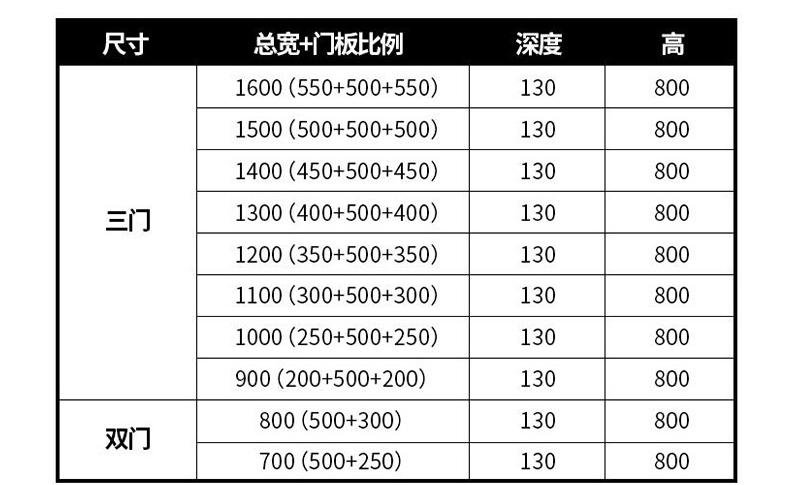
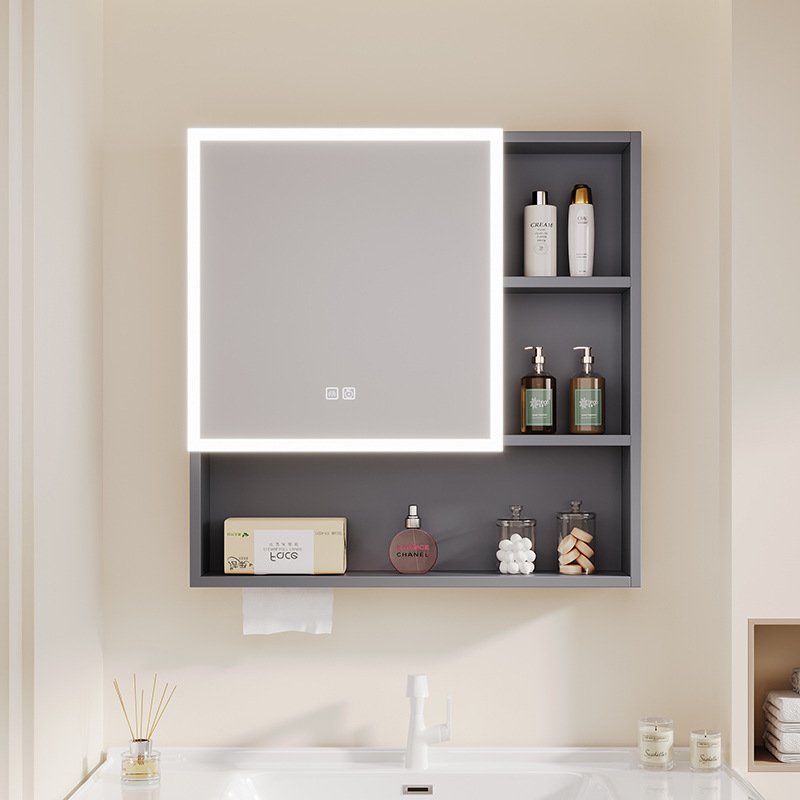
You cannot trust a brochure. I’ve walked into factories that looked pristine in photos but had no quality control. Here’s my real-world factory audit checklist—use it.
| Audit Area | What to Check | Red Flags | Green Flags |
|---|---|---|---|
| Extrusion Quality | Surface smoothness, consistent thickness | Scratches, thin corners | Uniform finish, precise corners, die lines minimal |
| Welding/Assembly | Joint tightness, no gaps | Visible welds, misalignment | Seamless corners, flush doors, consistent gaps |
| Glass Processing | Edge polish, tempering stamp | Sharp edges, no certification | Smooth edges, visible temper mark, packaging protection |
| LED Integration | Waterproofing, driver quality | Exposed wires, no-name drivers | Potting compound, Meanwell/OSRAM drivers, IP44+ |
| Packaging | Corner protection, box strength | Thin cardboard, no foam | 5-layer corrugated, foam inserts, edge protectors |
If you can’t visit in person (though I strongly recommend it), do a video walkthrough. Ask them to show you:
I’ve seen “ISO 9001:2015” certificates that were photoshopped. Verify by asking for the certifying body and checking online. For electrical safety, CE, UL, SAA, or CCC must match your target market. Don’t just accept a PDF—ask for test reports.
In a Bangkok hotel bathroom, the air is 80% humidity, and the temperature swings 20°C daily. That’s a torture test. Here’s what happens inside a cheap aluminum mirror cabinet.
Aluminum naturally forms a protective oxide layer. But if the alloy has impurities, or if the anodizing is too thin, chlorides in the air (or cleaning products) can cause pitting corrosion. Stainless steel can suffer from galvanic corrosion when in contact with dissimilar metals—aluminum is more forgiving if properly isolated.
Product: Budget aluminum cabinet, unknown alloy, 0.8mm thickness. Failure: After 18 months, doors misaligned, anodizing faded, mirror edges blackened. Cause: Too thin aluminum, poor anodizing, copper-based mirror backing. Cost: $45,000 to replace 120 units.
Product: Mid-range stainless steel cabinet. Failure: Salt air caused pitting corrosion within 8 months. Cause: 304 stainless insufficient for marine environment; should have been 316 or aluminum. Solution: Replaced with marine-grade aluminum (6063-T5, heavy anodizing)—5 years later, zero corrosion.
Comparison: Wood veneer vs. aluminum in identical bathrooms. After 5 years, wood units had swollen doors and mold; aluminum units looked new. Tenant satisfaction: 4.2 vs. 4.7 stars.
Let’s talk real money. I’ve built a 15-year cost model based on actual hotel maintenance records.
| Material | Initial Cost (per unit) | Shipping Weight | Annual Maintenance | Replacement Cycle | 15-Year Total Cost |
|---|---|---|---|---|---|
| Solid Wood | $180-250 | 15 kg | $15 (refinishing) | 5-8 years | $550-700 |
| MDF/Veneer | $90-140 | 12 kg | $25 (water damage repairs) | 3-5 years | $450-600 |
| Stainless Steel 304 | $220-300 | 18 kg | $5 (cleaning) | 15+ years | $280-380 |
| Aluminum (6063-T5) | $150-210 | 9 kg | $2 | 15+ years | $190-260 |
The medicine cabinet with lighted mirror category has exploded. But not all lighting is equal. Here’s what I’ve learned from installing thousands of units.
Color Rendering Index below 80 makes skin look gray. For hotels targeting female business travelers, CRI 90+ is non-negotiable. Test with your own face before ordering.
Chemical coatings wear off. Heated pads (integrated into the mirror) are permanent and use minimal power—but require wiring. For coastal hotels, heated is the only solution.
Bluetooth speakers and phone chargers? In my experience, they break and guests rarely use them. But motion-sensor lighting and dimmable LEDs are now expected in “luxury” segments. Stick to what adds real value.
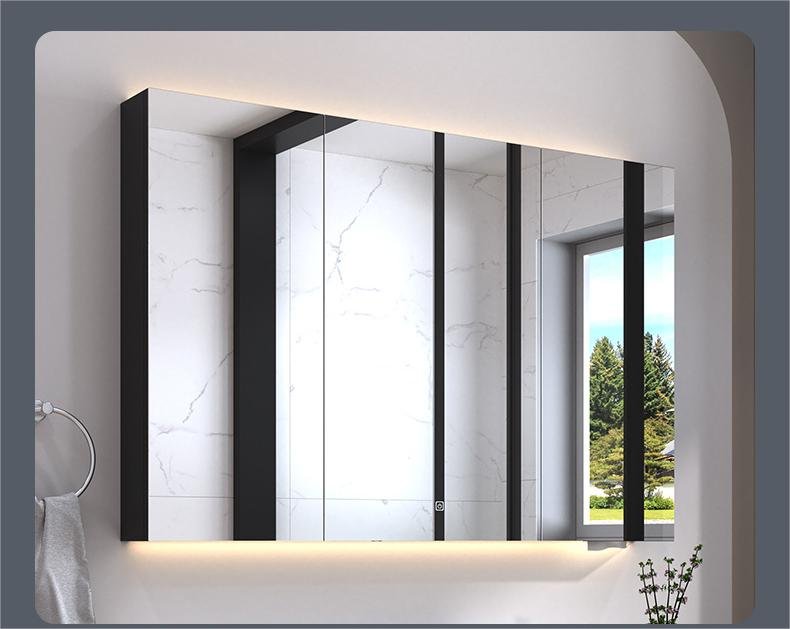
Challenge: 45 rooms with failing wood cabinets, negative TripAdvisor reviews about “dated bathrooms.” Solution: Custom aluminum mirror cabinet units with integrated 4000K lighting, CRI 90, anti-fog. Result: 40% reduction in maintenance calls, bathroom review scores from 3.8 to 4.7. ROI achieved in 14 months.
Challenge: Salt air destroying stainless steel cabinets within 2 years. Solution: Marine-grade aluminum (6063-T5) with 20-micron anodizing, copper-free mirrors, IP54 LED. Result: 5-year inspection shows zero corrosion, projected 15-year lifespan.
Challenge: 200 units needing durable, budget-conscious solutions for high-turnover tenants. Solution: Mid-spec aluminum cabinets with standard LED lighting, 1.2mm frames. Result: 30% lower installation cost due to lighter weight, zero damage after 3 years of heavy use.
For commercial/humidity environments, 6063-T5 aluminum with tempered glass and copper-free mirror backing is the gold standard. Wood/MDF will fail within 5 years in high-moisture settings.
Properly specified units (1.2mm frame, 20-micron anodizing, IP44 LED, soft-close hardware) consistently last 15+ years. I have installations from 2010 still in service.
For durability, maintenance, and longevity—yes. Wood offers warmth but requires perfect ventilation. Aluminum performs in 90% humidity without swelling.
IP44 is minimum for residential bathrooms. For hotel bathrooms with open showers, specify IP54. For steam rooms, IP65.
Use the audit checklist above. Start with 3-5 candidates, order samples, and conduct a virtual or in-person audit. Look for ISO 9001, export history, and willingness to share test reports.
Most quality factories require 50-100 units for custom dimensions. For standard sizes, MOQ can be as low as 10-20.
Yes—hardwired units require licensed electrician. Plug-in models exist but look less clean. Always check local codes.
Based on our hotel case studies, ROI ranges from 14-24 months due to reduced maintenance, higher guest satisfaction, and energy savings.
With marine-grade anodizing and IP65 rating, yes. But direct sun and rain require additional UV protection on seals.
Integrated heated pads are the only permanent solution. Chemical anti-fog sprays need reapplication.
You now have the same information I’ve used to help clients avoid millions in bad purchases. Here’s your 5-step roadmap:
At Havenseek Mirror, we’ve been manufacturing commercial-grade aluminum mirror cabinets for 15 years. Every unit is traceable to raw material batch.
📞 Get Free Quote in 12 Hours 📥 Download 2026 Catalog PDF 🔍 Request Free SamplesServing 800+ clients in 50 countries • ISO 9001:2015 • In-house testing lab
References & Further Reading:
All case studies based on real projects managed by the author. Some details anonymized per client request. Data accurate as of March 2026.