Our Location
304 North Cardinal St.
Dorchester Center, MA 02124

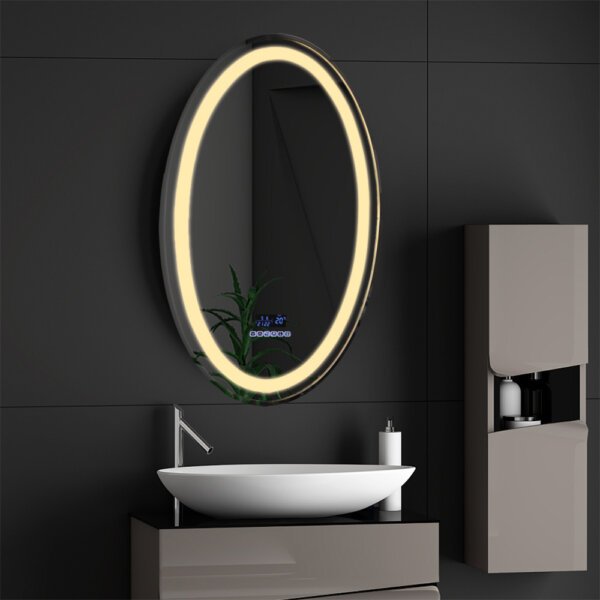
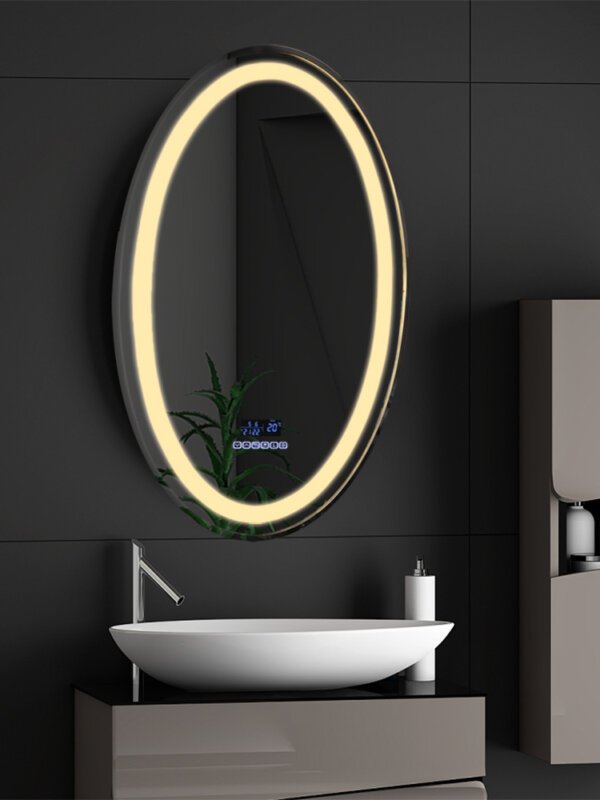
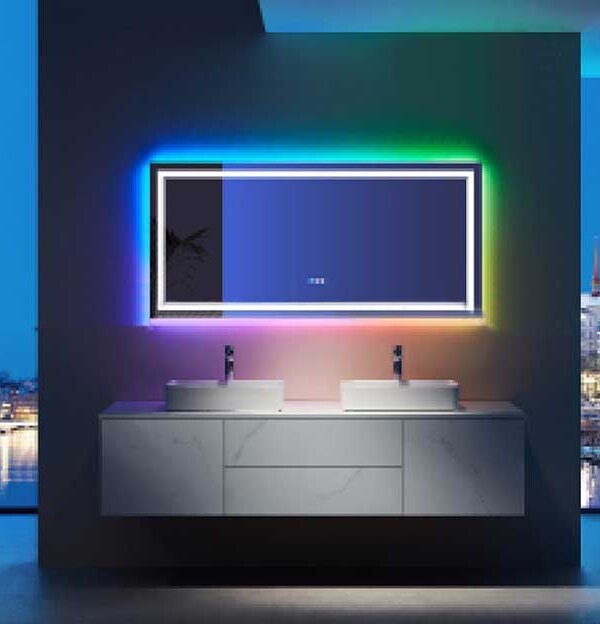
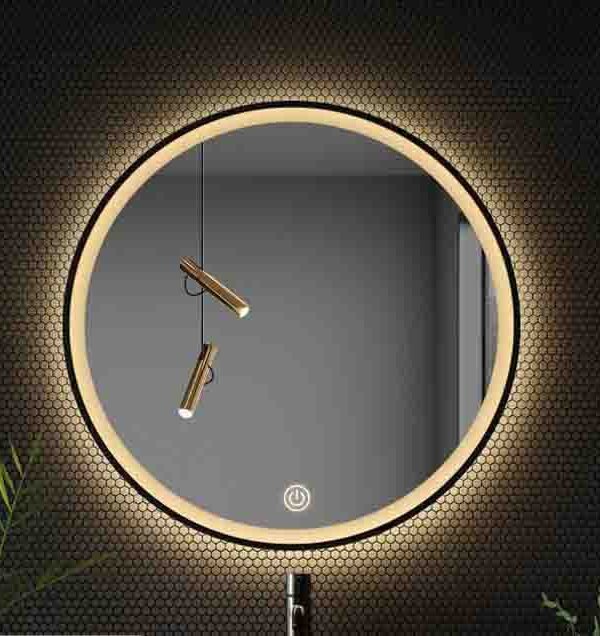
Havenseek Mirror Smart Mirror: AI Voice Control + Smart Home Sync | Anti-Fog Touchless Display | Custom Sizes for Home/Hotel!
Smart mirrors, or interactive mirrors, represent a significant convergence of traditional reflective surfaces with cutting-edge digital technology. These devices are transforming user experiences across residential, commercial, and hospitality environments by integrating information, control, and interaction into a once-passive household object. This guide delves into the operational core, diverse applications, and critical selection criteria for this innovative technology.
At its essence, a smart mirror is a two-way mirror equipped with an embedded electronic display behind the glass. When the display is off, it functions as a standard mirror. When activated, it can overlay a wide array of digital content—such as time, weather, news feeds, or even complex application interfaces—onto the user’s reflection, creating a seamless blend of the physical and digital worlds. The hardware often leverages compact computing platforms like Raspberry Pi for management, while software can be supported by frameworks such as NodeJS.
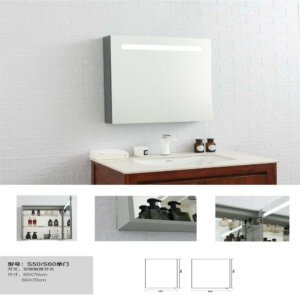

The functionality of smart mirrors is underpinned by a suite of integrated technologies that enable intelligent interaction and information display.
The foundational technology involves a high-resolution display (often 4K) positioned behind semi-transparent mirror glass. This is frequently coupled with a capacitive touchscreen layer, allowing users to interact with the interface directly through touch, much like a smartphone or tablet.
Advanced models incorporate cameras and computer vision software, such as OpenCV, to interpret user gestures. This enables contactless control, allowing users to navigate menus, control media playback, or access features with simple hand movements.
Acting as a central hub, bathroom smart mirror can connect to and control other smart home devices, such as lighting, thermostats, and security systems. This integration is often facilitated through voice assistants like Alexa, enabling a unified smart home experience.
In retail settings, smart mirrors utilize AR technology to offer virtual try-on experiences. Customers can see how clothing, accessories, or makeup look on them without physically changing, significantly enhancing the shopping journey.

The versatility of smart mirror technology allows for tailored applications across various sectors, each leveraging the interactive display to meet specific needs.
| Industry | Application Examples | Primary Benefit |
|---|---|---|
| Residential & Smart Homes | Centralized control hub for lighting, climate, and security; Personal information center for time, weather, and calendar; Fitness and wellness assistant with streaming videos. | Convenience, efficiency, and an enhanced living experience through streamlined control and personalized information. |
| Hospitality (Hotels) | Self-service guest portal for ordering room service or requesting concierge assistance; In-room fitness and entertainment system; Display of local information and amenities. | Elevated guest satisfaction through personalized services and increased operational efficiency for the hotel. |
| Retail | Virtual try-on solutions for apparel and cosmetics; Interactive product catalogs and detailed information access; In-store navigation and personalized promotions. | Increased customer engagement, reduced returns, and valuable data insights into customer preferences. |
| Corporate & Real Estate | Interactive information displays in corporate lobbies; Sophisticated control panels for smart buildings; Tool for real estate showcases to highlight property features and automation capabilities. | Enhanced brand image, improved facility management, and effective marketing of smart property features. |
Selecting the right smart mirror requires careful evaluation of several factors to ensure it meets your specific needs and environment.
Yes, absolutely. When the display screen is deactivated, the semi-transmissive glass functions identically to a standard mirror, preserving its primary reflective purpose.
Installation can vary from simple wall-mounting, similar to a large TV or heavy picture, to more complex integrations requiring professional assistance for electrical wiring and network connectivity.
AR mirrors use a camera to capture the user’s image and then digitally superimpose selected products (e.g., clothing or makeup) onto the reflection in real-time, allowing for a realistic virtual try-on experience.
Smart mirrors have evolved from a novelty concept into powerful interactive platforms with tangible benefits across multiple industries. By seamlessly merging information with reflection, they offer unparalleled convenience, personalization, and engagement. As the underlying technologies like AI, IoT, and AR continue to advance, the potential applications for smart mirrors are bound to expand further, solidifying their role as a central touchpoint in the connected environments of tomorrow.