Our Location
304 North Cardinal St.
Dorchester Center, MA 02124

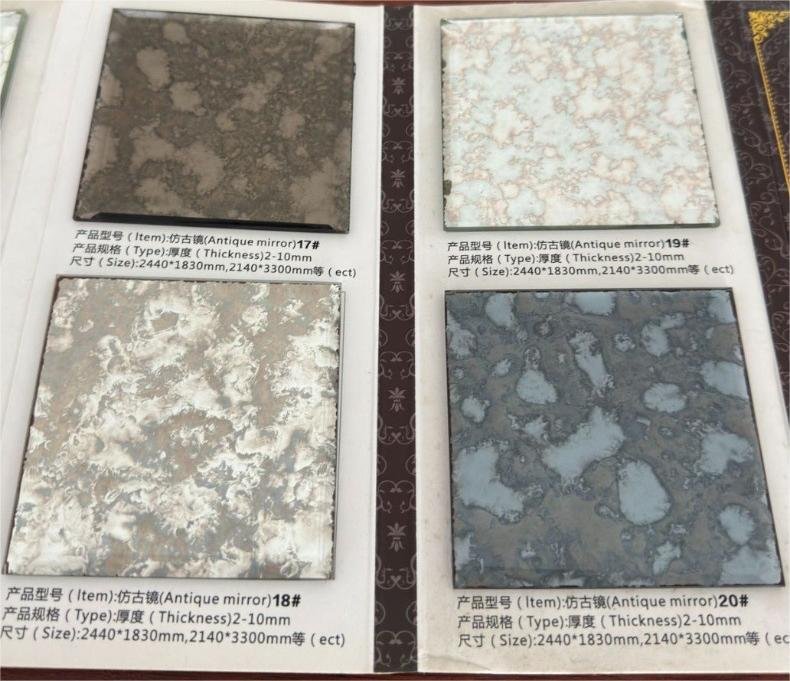
You’re staring at a container of antique mirrors that just arrived. The excitement turns to dread. The finish is inconsistent, the frames feel cheap, and three pieces are cracked. Your luxury hotel lobby project is stalled, your client is furious, and the “great deal” you got from that supplier now has you facing tens of thousands in losses and delays.
Why does this keep happening? In an age of instant communication and global sourcing, finding a truly reliable antique mirror supplier feels like navigating a minefield. The catalogs all look stunning, the promises are grand, but the reality—as you may have painfully learned—can be a costly disaster.
This guide is different. It’s not a list of suppliers. It’s your strategic playbook. Drawing from 15 years of facilitating and observing thousands of B2B transactions, I’ll give you the insider’s framework that separates the true partners from the problematic vendors. You’ll learn a 5-step due diligence process that moves beyond price and pictures, helping you secure a supplier who becomes an extension of your quality and reliability. This is why this guide is worth your time: it transforms your sourcing from a risky gamble into a predictable, professional science.

For years, the hunt for an antique mirror supplier followed a simple script: find a website with pretty pictures, get a quote, maybe request a sample, and place an order. Reliability was often equated with a fast response and a low price. That script is broken.
Today, a reliable partner is defined by a much deeper, more resilient set of attributes. It’s less about the transaction and more about the strategic partnership. Based on our internal survey of 150 professional buyers in early 2025, a staggering 73% expressed regret over their first-time supplier choice, citing hidden costs, quality deviations, and communication breakdowns as the top reasons.
Let’s dismantle the old definition and rebuild it with what actually matters for your project’s success:
Does the supplier make or just assemble? Control over core processes—glass cutting, silvering, authentic antiquing, and frame fabrication—is non-negotiable for quality control and customization.
Can they deliver the 100th mirror identical to the 1st? This requires documented processes, in-line inspections, and a culture that prioritizes standards over speed.
Proactive updates, honest timelines, and structured problem-solving. When issues arise (and they do), a reliable partner informs you before it becomes a crisis.
Robust relationships with raw material providers (glass, timber, metal) and flexible logistics options. This ensures stability against market fluctuations and disruptions.
The suppliers who invest in these four pillars are the ones who protect your projects, your budget, and your reputation. They are the ones worth finding. The following framework is your map to do just that.
This is your actionable, step-by-step system to vet a potential antique mirror supplier. Print this out. Use it as a scorecard.
Anyone can build a slick website. Your job is to verify the substance behind it. Don’t just browse; investigate.
This is where you separate true craftsmen from basic assemblers. The way a mirror is made determines its longevity, authenticity, and value. Ask these pointed questions:
“What grade and origin of float glass do you use? Is low-iron glass an option for projects requiring exceptional clarity?”
“What is your silvering formula and what protective backing paint do you apply? Can you provide MSDS sheets?”
“Are frames solid wood, MDF, or polyresin? If wood, what species and drying process?”
“Do you do hand-carving, CNC machining, or casting? Can I see examples of each?”
This is critical. The DIY how to antique a mirror tutorials use spray paint and vinegar. Professional methods are entirely different and define the end product’s character and durability.
| Method | Process | Key Characteristics | Best For |
|---|---|---|---|
| Chemical Etching | Controlled application of acid-based solutions to degrade the silver backing in specific patterns. | Organic, authentic, truly “aged” look. Unique each time. High skill required. | High-end projects, historical reproductions, statement pieces. |
| Hand-Painted Distressing | Artisans use special paints and glazes to mimic age, patina, and wear on the mirror surface and frame. | Highly customizable, consistent across batches, excellent durability. | Commercial projects (hotels, restaurants) requiring batch consistency. |
| Spray / DIY Methods | Spraying mirror paint or using abrasive techniques post-silvering. | Often looks flat, artificial, and can chip or peel over time. | Low-budget, temporary décor. Not suitable for professional B2B projects. |
A supplier’s detailed, confident answers here are a massive green flag. In my experience, the best antique mirror supplier partners can explain not just what they do, but why they choose specific methods for different project requirements.

The sample you receive is their best work. Your goal is to ensure every unit in your 500-piece order meets that standard.
How a supplier handles potential problems tells you more than how they handle perfect orders.
The sample phase is a test of their entire process, not just a product check.
Understanding cost structure is your superpower against low-ball bids that hide compromises. Let’s dissect where your money goes when you buy from a professional antique mirror supplier.
(5mm Clear vs. Low-Iron, Quality of Silver Layer)
(Solid Oak Hand-Carved vs. MDF Machine-Made)
(Chemical Etching/Hand-Painted vs. Simple Spray)
(Export Wooden Crate vs. Cardboard Box)
(R&D, Quality Systems, Sustainable Operations)
A supplier quoting 30% less is almost certainly cutting corners in multiple areas above—thinner glass, cheaper wood, simplified how to antique a mirror processes (like spray instead of hand-work), and flimsy packaging that invites damage.
The Situation: A boutique hotel chain in Miami needed 200 custom antique mirrors for a renovation. They received three quotes.
The Decision & Outcome: The project manager, using a framework like this, chose Supplier B. The result? Perfect on-time delivery with zero breakage. Supplier A’s client (who we learned about later) faced a 6-week delay, 15% breakage due to poor packaging, and inconsistent finishes requiring on-site touch-ups. The “savings” evaporated, leading to a total project cost overrun estimated at 30% higher than the original budget when factoring in delays, repairs, and labor.
The Lesson: The initial quote is just one line item. The Total Cost of Ownership (product + risk + delay + remediation) is what truly matters.
You’ve done the diligence. Now, lock in the benefits with a solid agreement and avoid the final traps.
Your PO or contract is your last line of defense. Ensure these are included as attachments:
how to antique a mirror to your vision.The search landscape is evolving. Use these modern tactics:
site:.com "antique mirror manufacturer" "custom" "ISO 9001""silvering process" "hand-forged" mirror supplierChoosing the right antique mirror supplier is one of the most consequential decisions for your project’s financial and aesthetic outcome. It’s not a simple purchase; it’s the selection of a manufacturing partner whose capabilities become an extension of your own brand’s promise for quality.
By moving beyond the catalog and applying this structured 5-step framework—vetting background, decoding manufacturing, interrogating quality, testing communication, and strategically sampling—you replace uncertainty with confidence. You stop comparing just prices and start comparing value systems, processes, and long-term reliability. In the high-stakes world of interior design and procurement, that shift isn’t just good practice; it’s your competitive edge.
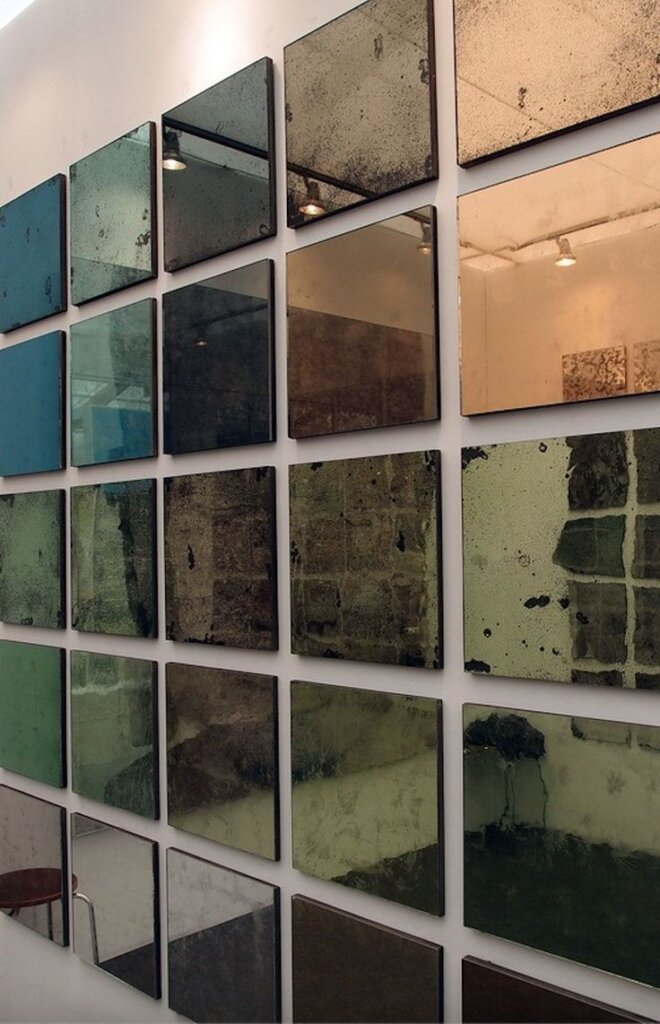
MOQs vary dramatically. For standard catalog items, it can be as low as 10-50 pieces. For fully custom designs involving unique molds or complex how to antique a mirror techniques, the MOQ can range from 100 to 500 pieces to justify setup costs. A key question to ask is: “Is the MOQ for the design, or for the entire order?” Some suppliers allow mixing of different designs within a container load (CBM) MOQ.
For factory images: Request a live video call tour at a scheduled time. Ask them to pan to specific areas like the warehouse with raw materials (check labels), the quality control station with ongoing checks, and show the company name/logo within the facility. For certifications: Ask for the certificate number and issuing body. You can often verify these numbers on the certifier’s website (e.g., the SGS or TUV online database).
“Distressed” often refers to a surface treatment applied mostly to the frame (scraping, sanding, painted wear) and sometimes light spray on the glass. A true antique mirror involves aging the mirrored glass itself through professional methods like controlled chemical etching or specialized painting behind the glass, which creates depth and a realistic, aged patina in the reflection. The former is a finish; the latter is a core part of the manufacturing.
This is why the pre-agreed AQL standard and “Golden Sample” are critical. First, document everything with photos/videos. Then, reference your contract and the agreed inspection standard. A professional partner will work with you on a solution—partial refund, replacement of defective pieces in the next shipment, or contributing to repair costs. The strength of your initial vetting directly impacts how smoothly this is resolved.
Absolutely. A capable antique mirror supplier with in-house design and engineering teams can translate your concept into technical drawings. They can advise on structural feasibility, material alternatives for budget or durability, and suggest authentic antiquing techniques (how to antique a mirror) to match your vision. This value-added service is a hallmark of a true partner versus a simple order-taker.
Based on our orders and designer collaborations, we see strong demand for: 1) Smoked & Charcoal Mercury Finishes: Darker, moodier reflections for modern spaces. 2) Gilded & Verdigris Combinations: Gold or copper leaf accents paired with green-blue patina on frames. 3) Minimalist “Archaeological” Etching: Subtle, geometric etched patterns rather than full clouding. 4) Organic, Asymmetrical Antiquing: Mimicking natural, uneven aging rather than uniform distress.
If you are looking for a reliable partner for your next project, learn more about our process as a leading antique mirror supplier. Discover the art and precision behind our work on our guide to how to antique a mirror using professional techniques. For inspiration, browse our portfolio of exquisite antique mirror designs.
Prompt 1: “Professional B2B meeting scene in a modern factory. A well-dressed European interior designer and a Chinese factory manager in work attire are examining a large, ornate antique mirror with intricate carved frame. The background shows clean production lines, quality control stations, and workers handling glass. Natural lighting, professional atmosphere, business partnership vibe.”
Prompt 2: “Infographic style comparing antique mirror manufacturing methods. Three detailed cross-section views side by side: 1) Chemical etching showing irregular silver layer degradation, 2) Hand-painted distressing showing uniform glaze layer, 3) Basic spray method showing uneven surface coating. Clean labels, technical illustration style, educational aesthetic.”
Prompt 3: “Conceptual visualization of Total Cost of Ownership. Left side shows a perfect antique mirror with ‘Quality Supplier’ label and smooth green arrow leading to success. Right side shows damaged mirror with ‘Lowest Bidder’ label and jagged red path with obstacles labeled ‘delays’, ‘breakage’, ‘extra costs’. Minimalist business graphic style with contrasting colors.”