Our Location
304 North Cardinal St.
Dorchester Center, MA 02124

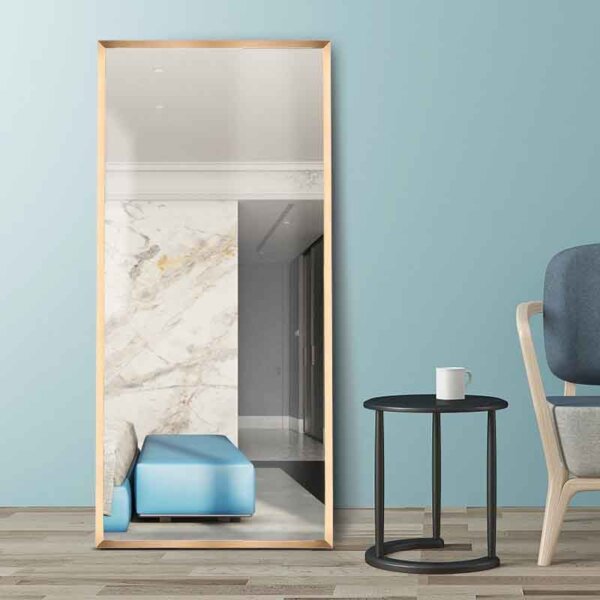
Gold floor mirrors represent the perfect fusion of artistic design and precision engineering. These elegant home accessories undergo a sophisticated manufacturing process that transforms raw materials into stunning functional decor. From glass preparation to final finishing, each step requires expert craftsmanship and quality materials to create mirrors that enhance any interior space with their luxurious appeal and practical functionality.

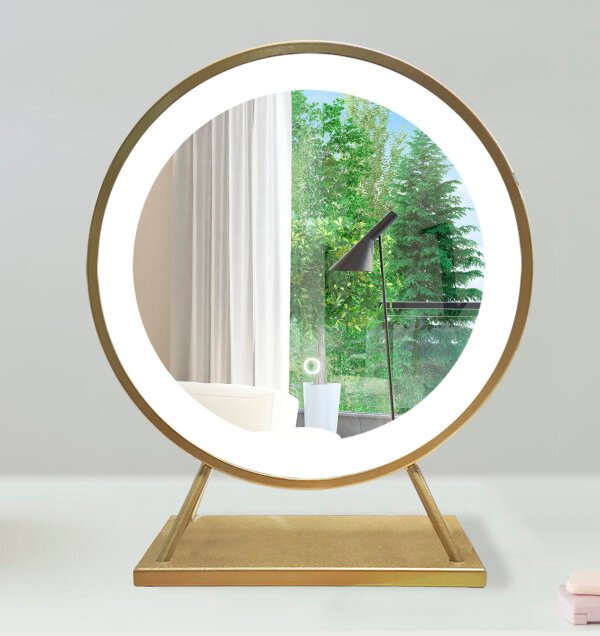
This exquisite gold floor mirror combines elegant design with precision manufacturing. The process begins with high-quality glass that undergoes careful polishing to achieve perfect clarity. A reflective coating is then applied using advanced techniques, followed by the application of a durable gold finish. The mirror features a sturdy frame designed for stability and style, making it an ideal decorative and functional addition to any living space, bedroom, or hallway. Its timeless appeal and quality construction ensure it remains a beautiful focal point in your home.
Our gold floor mirrors use 3-layer electroplating (nickel + copper + gold) or real gold leaf application—resistant to tarnishing, scratches, and discoloration. Passes 500-hour salt spray test (10x longer than industry standard) for long-lasting shine.
6mm copper-free silver glass with 93% light reflectivity—no distortion, color cast, or blurriness. Edge-polished to 45° bevel for a sleek, luxurious look, perfect for head-to-toe styling.
Reinforced metal or solid wood base (weight: 8-15kg) with anti-slip rubber pads—prevents tipping even on uneven floors. Supports mirror panels up to 180x100cm without wobbling.
Freestanding lean-to design (no installation needed) or optional wall-mount hardware (for permanent placement). Detachable base for easy transportation and storage.
304 stainless steel core + 3-layer electroplating—rust-proof, corrosion-resistant, ideal for humid spaces (bathrooms, spas). Available in matte gold, brushed gold, and glossy gold.
Lightweight (30% lighter than steel) + durable—perfect for large-size gold floor mirrors (180x100cm+). Anti-fingerprint coating for easy cleaning.
Solid oak/maple frame + hand-applied gold leaf—vintage luxury for traditional or boho spaces. Sealed with protective varnish to prevent gold leaf peeling.
Computer-controlled electroplating process ensures uniform gold thickness (0.15-0.2mm) across the frame—no uneven patches or dull spots.

Creating a gold floor mirror involves multiple precise stages that transform basic materials into a refined decorative piece. Each step requires specialized equipment and skilled technicians to ensure the highest quality result.
The process begins with selecting high-quality float glass known for its clarity and flatness. The glass is cut to the required dimensions using specialized cutting tools that score the surface for a clean break. Edge polishing follows to remove sharp edges and create a smooth, safe finish.
After cutting, the glass undergoes thorough cleaning using deionized water to remove all contaminants. This step is crucial as any impurities can affect the reflective coating application. The glass surface is polished to achieve optimal smoothness before the coating process begins.
The reflective coating is applied using either silvering or aluminizing processes. In silvering, a chemical reaction deposits a thin layer of metallic silver onto the glass surface. Aluminum coatings are typically applied through vacuum deposition, where aluminum is vaporized and bonds to the glass surface.
For gold mirrors, a gold-toned finish is applied over the reflective coating. This involves electroplating or PVD (Physical Vapor Deposition) processes that create a durable, decorative gold surface. A protective backing is then added to prevent tarnishing and damage to the reflective layer.
The mirror is framed in materials such as metal, wood, or composite. Gold floor mirrors typically feature metal frames with a gold finish. The frame provides structural support and enhances the mirror’s aesthetic appeal. Final assembly includes attaching any supporting structures for freestanding models.
Each mirror undergoes rigorous quality checks for visual defects, reflectivity quality, and structural integrity. Inspectors examine the surface for distortions, check the coating uniformity, and ensure the frame is securely attached. This final verification ensures the mirror meets quality standards.

Gold floor mirrors incorporate various materials selected for their durability, reflectivity, and aesthetic qualities. Understanding these materials helps in assessing the quality and appropriate applications of different mirror types.
| Component | Material Options | Key Characteristics | Quality Indicators |
|---|---|---|---|
| Glass Substrate | Float glass, Tempered glass | Clarity, flatness, strength | Low iron content, minimal distortion |
| Reflective Coating | Silver, Aluminum, Copper-free silver | Reflectivity, durability, clarity | High reflectivity (90%+), even application |
| Gold Finish | Electroplated gold, PVD gold coating | Color consistency, wear resistance | Uniform color, scratch resistance |
| Frame Material | Metal alloys, Wood, MDF with gold finish | Stability, weight, corrosion resistance | Sturdy construction, finish durability |
| Protective Backing | Paint, Specialized coatings | Moisture resistance, tarnish prevention | Complete coverage, adhesion quality |
Gold floor mirrors are available in diverse designs to complement various interior styles from classic to contemporary. Understanding these variations helps in selecting the appropriate mirror for specific spaces and decor themes.
Arched gold floor mirrors feature a curved top that adds architectural interest and elegance. This design works well in traditional and transitional interiors, often used as statement pieces in entryways or bedrooms.
Sleek rectangular gold floor mirrors with minimal frames suit contemporary interiors. Their clean lines and metallic finishes add sophistication to modern living spaces while creating the illusion of larger areas.
Intricately designed gold frames with detailed patterns evoke classic elegance. These mirrors often feature traditional motifs and are ideal for formal spaces where they serve as focal points of luxury.
Freestanding gold floor mirrors designed to lean against walls offer flexible placement options. These typically feature stable bases and can be easily moved, making them versatile for changing decor needs.
Identifying high-quality gold floor mirrors involves understanding key quality indicators and manufacturing standards. These factors determine the mirror’s longevity, performance, and overall value.
Premium mirrors exhibit minimal optical distortion with clear, accurate reflections. Quality is assessed by examining reflection straightness and the absence of waves or distortions across the surface.
High-quality gold finishes resist tarnishing, scratching, and fading. Superior finishes maintain their appearance over time, even in environments with varying humidity levels or light exposure.
Well-constructed frames provide stability and support. Quality indicators include solid construction, secure mirror mounting, and materials appropriate for the mirror’s size and weight.
Safety features include tempered glass for breakage resistance and stable bases for freestanding models. These are particularly important in households with children or high-traffic areas.
Gold floor mirrors serve both functional and decorative purposes in various settings. Proper placement enhances their visual impact and practicality within interior spaces.
| Space Type | Recommended Mirror Style | Placement Tips | Functional Benefits |
|---|---|---|---|
| Entryway/Foyer | Arched or statement designs | Position to reflect light sources | Creates welcoming atmosphere, expands space |
| Bedroom | Full-length functional mirrors | Near dressing area with adequate lighting | Practical use for dressing, enhances decor |
| Living Room | Decorative statement pieces | Opposite windows to maximize light | Adds luxury element, brightens space |
| Dressing Area | Functional full-length designs | Ample clearance for use | Practical functionality, style enhancement |
| Commercial Spaces | Durable, large-scale designs | Strategic focal points | Enhances ambiance, creates impression of space |
Proper maintenance preserves the appearance and functionality of gold floor mirrors. Following appropriate care practices extends their lifespan and maintains their aesthetic appeal.
Use soft, lint-free cloths and appropriate glass cleaners without abrasive chemicals. Spray cleaner onto the cloth rather than directly on the mirror to prevent liquid seepage behind the frame.
Avoid abrasive cleaners on gold finishes. Use gentle dusting and occasional wiping with a soft, damp cloth. Specialized metal cleaners can be used for stubborn marks following manufacturer instructions.
Position mirrors away from direct sunlight to prevent finish fading. Maintain consistent humidity levels to protect the reflective backing, especially in bathrooms or high-moisture areas.
Regularly check for frame stability, signs of tarnishing, or mirror separation from the backing. Address issues promptly to prevent further deterioration and maintain optimal condition.