Our Location
304 North Cardinal St.
Dorchester Center, MA 02124

Written by Alex Chen – 12 years as a Production & Quality Control Director at Havenseek Mirror. I’ve overseen the manufacturing of over 2 million square meters of glass and audited 50+ material suppliers. This guide is based on real factory-floor failures and successes.
Let me tell you about a costly mistake I see repeated every single month.
A buyer, eager to maximize margin, sources a container of what seems like a perfectly good cheap full length floor mirror. The samples looked okay. The price was 25% lower. The deal was signed.
Fast forward six months: the complaints flood in. Images from a boutique hotel show distorted reflections, making rooms look warped. A fitness chain reports mirrors developing black, creeping stains at the edges. A furniture retailer faces a safety recall after a leaning mirror toppled over.
The initial “savings” vanish, eclipsed by replacement costs, logistical nightmares, and shattered trust. This isn’t just about a bad product; it’s about buying visible product specs while completely missing the invisible quality metrics that determine if a mirror becomes a top selling full length mirror or a top-returning nightmare.
If you’re tired of playing Russian roulette with your supply chain, this article is your ballistic shield. I’m not here to sell you on our mirrors. I’m here to give you the same internal checklist and forensic knowledge our most demanding clients use to audit us. You’ll learn how to see what most buyers miss, transforming you from a price-taker into a quality expert.
This knowledge is what separates a savvy long-term partner from the next reactive buyer. Here’s why this deep dive is worth your next 15 minutes: I will decode the hidden language of durability, safety, and compliance that defines a truly reliable full length floor mirror factory. This isn’t superficial advice; it’s a $800 consulting session packed into a guide, designed to save you thousands and protect your brand.
The home decor and commercial fit-out markets are getting smarter, not just cheaper. A 2025 Furniture Today report noted a 17% year-over-year increase in buyer inquiries specifically about product sustainability and durability certifications.
Consumers and businesses alike are rejecting disposable furniture. For B2B buyers, this means your clients are asking tougher questions. A top selling full length mirror today is defined by its Total Cost of Ownership (TCO): low defect rates, zero safety incidents, and a lifespan measured in decades, not years.
When you look at a mirror, you see your reflection. When I look at it, I see a laminated sandwich of materials, each layer a potential point of failure. Let’s peel it back.
All glass is not created equal. The glass substrate is the canvas. A flawed canvas ruins the final masterpiece, no matter how good the paint.
The Problem: Wavy glass. It causes subtle distortions that make straight lines look curved. It’s a deal-breaker for clothing retailers, tailors, or gyms where accurate posture/view is critical.
The Metric: High-quality mirror glass comes from “float glass” with excellent flatness. The industry measures this in waves of light. In our factory audit, we use an optical flatness interferometer. For you, a simple test: place the mirror against a known-straight edge (like a metal ruler) and look for light gaps. Or, look at a tile floor’s reflection – the lines should be perfectly straight.
The Hidden Cost: Distorted mirrors lead to instant customer returns. It’s the number one complaint for cheap full length floor mirror units sourced without flatness checks.
The reflective coating, or “silvering” (even if it’s aluminum), is where magic happens. Quality is defined by:
For any top selling full length mirror over a certain size or used publicly, tempered glass is mandatory.
Why Tempered? When broken, it crumbles into small, granular chunks instead of sharp, dangerous shards. For a 1800mm+ floor mirror, 5mm tempered is our standard minimum for stability.
How to Verify: Every tempered pane should have a permanent stamp (often in a corner) indicating compliance (e.g., “ANSIZ97.1” or equivalent). No stamp? Assume it’s not tempered and walk away. This is your single biggest liability shield.
If the silver layer is the heart, the back paint is the immune system. This is the most common failure point in low-cost mirrors.
| Feature | High-Quality Back Paint | Low-Quality Back Paint |
|---|---|---|
| Material | Epoxy or high-solids polyester-based paint. | Cheap acrylic or water-based paint. |
| Function | Seals silver from moisture/air. Provides chemical resistance. | Minimal barrier. Often porous. |
| Key Test (ASTM D3359) | Passes cross-cut adhesion test (Class 4B or 5B). | Fails. Paint flakes off easily. |
| Real-World Result | 20+ year lifespan, even in humid bathrooms. | Edge blackening within 1-3 years. |
Edge Sealing is Critical: Moisture is a mirror’s enemy. It seeps in from the edges. A proper factory will seal the cut edges of the glass before silvering and painting, creating a complete moisture barrier. Ask your supplier: “What is your edge sealing process?” A vague answer is a red flag.
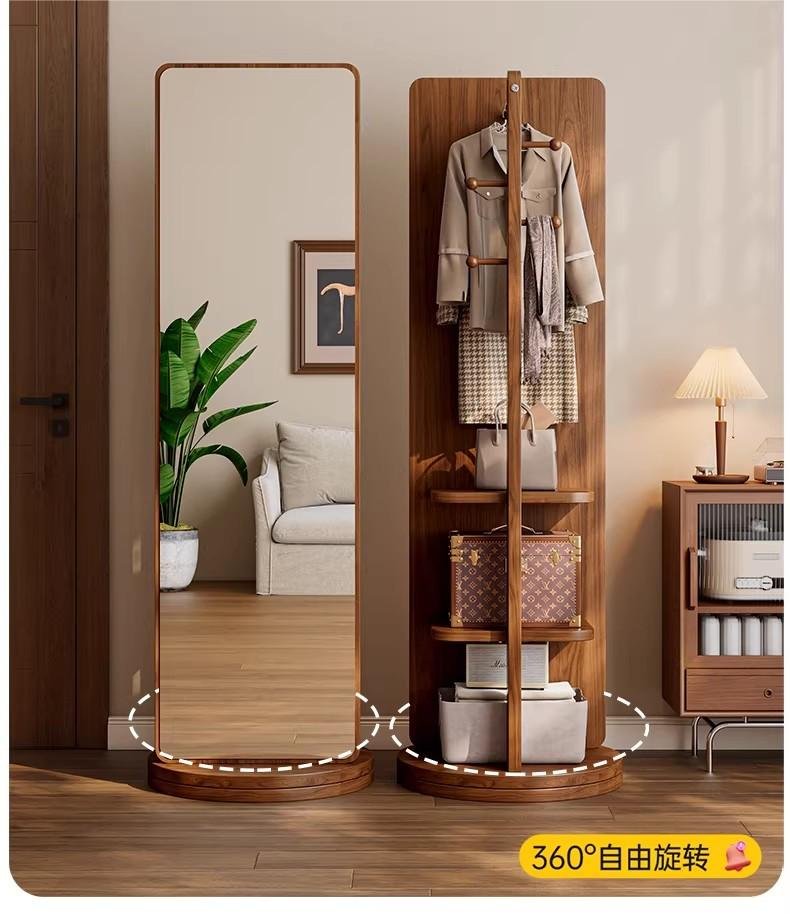
A beautiful frame that can’t hold the glass is a lawsuit waiting to happen. Let’s talk about the bones of your full length floor mirror.
The frame does more than look good; it manages stress, weight, and environmental change.
The popularity of leaning mirrors has created a safety epidemic. Most toppling incidents stem from poor center of gravity and weak back support.
My Simple Stability Test: When you get a sample, set it up at a 10-15 degree lean. Apply firm, steady pressure to the top edge (simulating someone bumping it). It should not “skate” on the floor or feel like it wants to pivot over. The back support bar or hinge must be rigid. A flimsy stamped-metal bracket is a guaranteed failure point.
A client sourced 500 leaning mirrors for a hotel chain. The design was beautiful, but the factory used a thin, single-screw hinge on the back support. Within months, several mirrors collapsed. The root cause? Cyclical stress on a weak joint. The fix wasn’t just a stronger screw; it was a complete redesign of the load-bearing bracket. The cost to replace all 500 units dwarfed the initial “savings.” This is the real price of ignoring structural engineering.
In 2026, paperwork isn’t bureaucracy; it’s your liability shield and market access ticket. A true top selling full length mirror comes with a verifiable pedigree.
What it is: Bans on specific heavy metals (lead, mercury, etc.) and hazardous chemicals in products sold in the EU/UK.
Why it matters: It’s the law. Non-compliance can lead to seized shipments, fines, and being barred from the market. It also speaks to the factory’s material sourcing. Ask for the test report from a certified lab, not just a self-declaration.
What it is: Mandatory for products designed for children 12 and under in the USA. Requires third-party testing.
Why it matters: Even if your mirror isn’t a “toy,” if it’s marketed for a kid’s room or is accessible, retailers may require it. It proves rigorous safety testing.
What it is: A California law requiring warnings for exposure to chemicals known to cause cancer or reproductive harm.
Why it matters: Many US retailers require compliance for all products. The factory must ensure materials (paints, adhesives) are Prop 65 compliant and provide documentation.
Anyone can say “durable.” Proof comes from standardized tests. A professional full length floor mirror factory will conduct these and share reports.
My Advice: Don’t just ask “Are you certified?” Ask, “Can you share the test report for your back paint adhesion and humidity resistance?” The response will tell you everything.
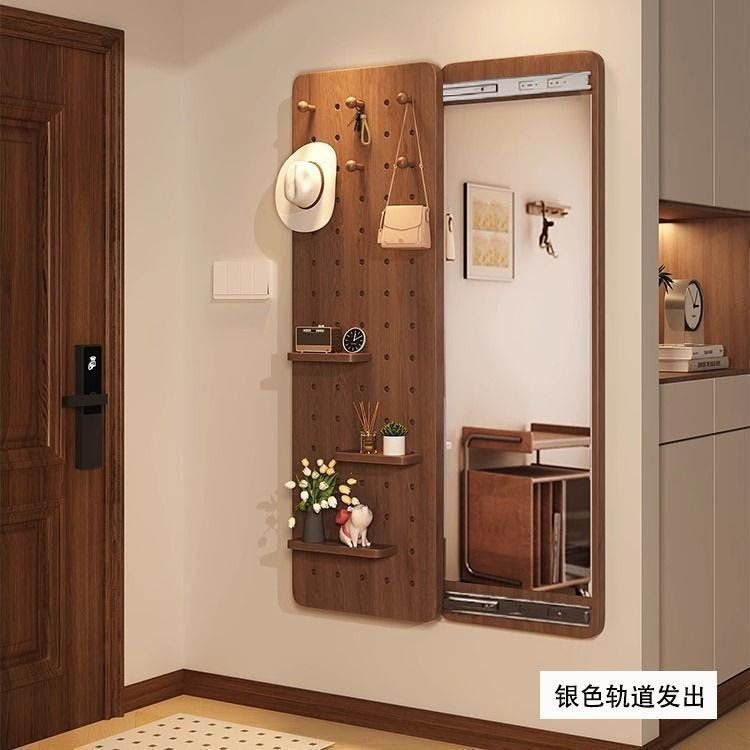
Knowledge is useless without action. Here is your field manual for evaluating a full length floor mirror factory.
When you receive a sample, don’t just look at it. Abuse it. Here’s how we test our own samples at Havenseek:
1. The Visual & Tactile Check:
2. The Adhesion Scratch Test:
3. The Moisture Test (Critical for Bathroom Mirrors):
4. The Stability & Hardware Test:
After 12 years, the patterns are painfully clear. Avoid these pitfalls.
The Trap: “I want 6mm glass!” Buyer focuses on one visible spec, ignoring the back paint, edge seal, and frame.
The Result: You get a thick, heavy mirror that still develops edge blackening in 18 months because the back paint is cheap and the edges are unsealed. The thicker glass just made shipping more expensive.
The Fix: Specify a performance package: “5mm tempered glass WITH epoxy back paint AND sealed edges, verified by humidity test report.”
The Trap: Dealing with a smooth-talking trading company that sources from an unknown, uncertified workshop.
The Result: Inconsistent quality, zero control over materials, and no ability to fix problems at the source.
The Fix: Insist on a video call showing the production line. Ask to see the silvering tank, the paint booth, the quality control station. A real full length floor mirror factory is proud to show it off.
The Trap: To save $300, the buyer waives the PSI, trusting the factory’s “golden samples.”
The Result: The container arrives with 20% defective units—scratched glass, wrong frames, poor packaging. Now you’re negotiating a partial refund or a costly return from another continent.
The Fix: Never, ever waive the PSI. Budget for it. A good inspector will use an AQL (Acceptable Quality Level) sampling plan to catch issues before they sail. It’s the best insurance you can buy.
A truly top selling full length mirror isn’t defined by one component. It’s the result of hundreds of controlled processes, rigorous testing, and a factory culture obsessed with prevention, not correction. Choosing a supplier who masters this system is the single most important decision you’ll make.
It turns the unpredictable cost of failures into the predictable profit of customer satisfaction and repeat orders.
Put this guide to the test. We’ve compiled our internal 2026 Mirror Quality Evaluation Checklist and a detailed white paper on “Advanced Testing Protocols for Decorative Glass.” It includes the exact test parameters, pass/fail criteria, and supplier scorecard we use.
📥 Get Your Free 2026 Quality Checklist & White PaperSpeak directly with our technical team. No sales pitch, just a detailed conversation about your project’s requirements.
Answers from the factory floor, based on 12 years of solving real problems.
This is a major red flag. Reputable tempering plants etch the stamp permanently. No stamp usually means it’s not tempered. As a last-resort test: examine the edges. Tempered glass edges are perfectly smooth and even from the heating process. Annealed glass edges may have minor machining marks. However, never assume safety without the stamp. Require the factory to provide a copy of the tempering furnace certificate or a test report for the batch.
It’s the difference between a 3-year and a 15-year product. In the test, mirrors are placed in a chamber with ~100% humidity at 38-50°C. A failing mirror will show black lines or spots creeping in from the edges within 24-48 hours. This is moisture penetrating the edge seal or porous back paint and corroding the silver layer. A passing mirror looks unchanged. This test directly predicts performance in bathrooms, spas, or coastal regions.
Yes, ASTM D3359 is the standard test method. Method B (Cross-Cut Tape Test) is most common. A grid is cut into the paint, specialized tape is applied and ripped off, and the amount of paint removed is rated on a scale from 0B (worst) to 5B (best, 0% removal). For a commercial-grade full length floor mirror, you should insist on a rating of 4B (less than 5% removal) or 5B. Always ask for the actual test report, not just a claim.
For a commercial gym with high traffic and risk of impact, 6mm fully tempered glass is the absolute minimum standard. Thicker glass (like 8mm) is even better for larger panels as it reduces flex and vibration, providing a more stable reflection. The tempering is non-negotiable for safety. Furthermore, ensure the mounting system is engineered for this weight and potential lateral force.
The difference is in control and materials. A high-quality process uses a clean, automated chemical deposition line with precise temperature and timing control, and high-purity silver or aluminum solutions. A low-quality process is often manual or semi-automated, with less control over solution concentration and application time, leading to inconsistent coating thickness. Impurities in the solution are a primary cause of the tiny black spots or “micro-pits” you sometimes see in poor reflections.
Ask: “Do you seal the glass edge *before* applying the reflective coating, and what specific sealant do you use?” The correct process is: 1) Cut glass, 2) Polish/seal the edge with a specialized edge sealer or primer, 3) THEN apply the silver and back paint. This creates a true moisture barrier. If they seal after painting or not at all, moisture will find a path. Ask for the technical name of the sealant.
To deepen your understanding of materials and standards mentioned in this guide: