Our Location
304 North Cardinal St.
Dorchester Center, MA 02124

Written by Marcus Thorne – 18 years Procurement Engineer in Chinese mirror manufacturing, served 950+ commercial clients in 60 countries.
Have you ever received a container of decorative glass for a massive hotel project, only to discover the edges are blackening, the patterns look like cheap wallpaper, and the budget is completely blown? You are not alone. Choosing between a machine vs handmade antique mirror can literally make or break your commercial interior project. The stakes are incredibly high for B2B buyers in 2025 and 2026. If you do not understand the subtle manufacturing differences, you will overpay and risk disastrous project delays.
As a procurement specialist, my goal is to give you absolute clarity. In this comprehensive guide, I will reveal the closely guarded secrets behind true wholesale distressed mirror cost structures. Most factories will not tell you why one panel costs $5 per square foot while another costs $25. I am here to change that. I have spent years on factory floors in China, watching silver nitrate oxidize on raw glass. I know exactly how to negotiate, how to inspect, and how to spot a fake.
By the time you finish reading this, you will know exactly how to find a reliable and affordable antique glass supplier. You will learn the definitive differences in the vintage mirror manufacturing process. I will show you how to conduct a foolproof pre-shipment inspection. Why is this article worth your time? Because it will save you thousands of dollars on your next B2B antique mirror sourcing order and ensure your clients are left absolutely speechless by the quality.
| Evaluation Criteria | Machine-Made Antique Mirror | Handmade Artisan Mirror |
|---|---|---|
| Pattern Consistency | 95% uniform, excellent for large walls | Highly unique, natural variations |
| Lead Time (B2B) | 15-20 days for bulk orders | 30-45 days due to manual oxidation |
| Wholesale Cost Impact | Lower cost per square foot antique mirror wholesale | Higher labor cost, premium pricing |
| Best Application | Hotel lobbies, large commercial fit-outs | Boutique retail, luxury casinos, focal pieces |
The landscape of global architecture and interior design is shifting rapidly. Gone are the days of sterile, minimalist spaces. Today, commercial clients crave warmth, texture, and history. They want spaces that tell a story. This emotional design shift has fundamentally changed how we source materials. As a result, the global market trends antique mirror 2026 reports show a massive spike in demand.
68% Surge in Hospitality Usage: Recent 2025 industry data indicates that over 68% of new premium hotel constructions incorporate large scale commercial antique mirror production. Designers use them for distressed mirror backsplash commercial grade applications and expansive lobby feature walls.
Why is this happening? Distressed glass reflects light while softening the room’s ambiance. It hides fingerprints better than clear glass, reducing daily maintenance costs for hotel operators. However, this skyrocketing demand creates a major challenge for B2B buyers. The sudden rush means many inexperienced factories are pushing subpar products into the market. You must be vigilant.
Finding an affordable antique glass supplier for hotels is no longer just about searching online. The real challenge is navigating fluctuating raw material costs and strict environmental regulations. Silver nitrate and copper plating processes are under heavy scrutiny. Forward-thinking buyers are prioritizing factories with environmental certifications for antique mirror production.
If you are importing antique mirrors from China safely, you must audit the supplier’s compliance. Factories that cut corners on waste disposal will face sudden shutdowns. This translates to delayed shipments and broken contracts for you. Always ask your manufacturer about their waste water treatment facilities before signing a bulk buy distressed glass mirrors agreement.
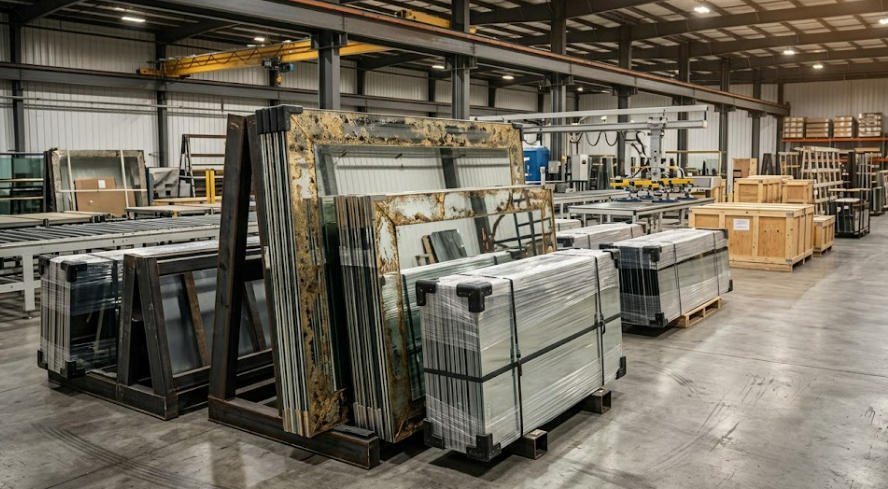
To master B2B antique mirror sourcing, you must understand how the glass is actually made. The visual magic of distressed glass is pure chemistry. The difference between a machine vs handmade antique mirror boils down to how that chemistry is controlled. Let me take you behind the factory doors to see the reality.
An automated antique mirror silvering process is a marvel of modern engineering. Massive sheets of high-clarity float glass travel down a conveyor belt. Robotic sprayers apply precisely measured chemical mixtures. The oxidation is triggered and halted mechanically. This guarantees that the pattern on the first sheet matches the pattern on the thousandth sheet.
This consistency is crucial for large commercial applications. If you are paneling a massive restaurant ceiling, you cannot have drastic color variations. Machine-made glass also uses a highly durable back paint, baked in industrial ovens. This protects the delicate silver layer from moisture and adhesive chemicals during installation. It is efficient, fast, and reliable.
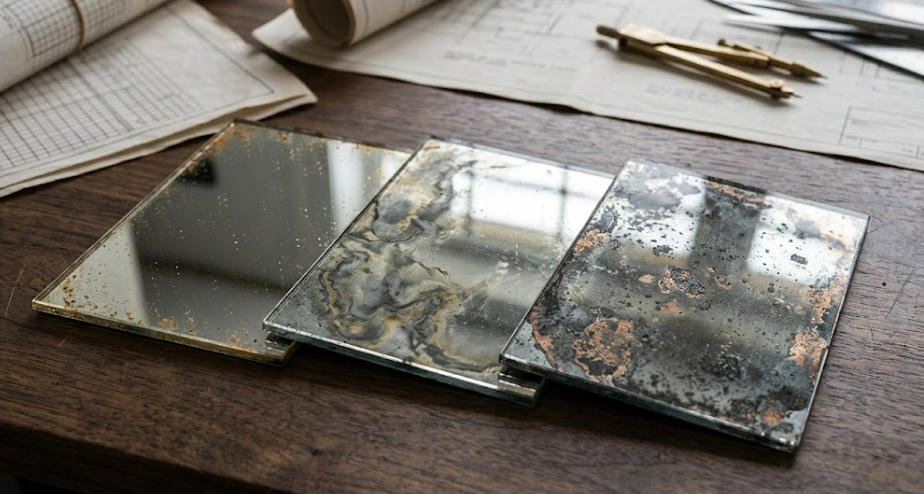
The artisanal vintage mirror manufacturing process is entirely different. Here, skilled craftsmen apply chemicals by hand. They use sponges, brushes, and specialized sprays to create hand oxidized vintage mirror panels. The silver nitrate oxidation in antique mirrors happens organically. The artisan watches the chemical reaction bloom and stops it at the precise moment.
The Value of Imperfection: Hand-crafted panels offer unmatched depth. The random pooling of chemicals creates a 3D effect that machines simply cannot replicate. This is why boutique designers insist on handmade. However, the labor-intensive nature means strict B2B minimum order quantity antique mirror requirements and longer lead times.
Here is a critical warning for all procurement managers. Some unscrupulous factories are selling printed glass disguised as genuine distressed mirrors. They simply print a digital image of rust and oxidation onto the back of standard glass. Spotting fake distressed mirror glass is essential to protect your reputation.
Printed glass lacks depth and reflection in the “distressed” areas. True authentic vs printed antique mirror patterns interact dynamically with light. When you move your head, the authentic oxidation shifts; the printed version looks flat and lifeless. Always demand a physical sample before committing to a factory direct distressed mirror pricing 2026 contract.
Let us talk about money. What drives wholesale distressed mirror cost? It is not just the glass itself. B2B pricing is a complex equation involving yield rates, chemical grades, and protective backing. Understanding these metrics is the only way you can negotiate effectively and ensure a high ROI on handmade vs machine distressed glass.
With machine-made mirrors, the primary cost is capital expenditure—the massive automated line. Once running, the cost per square foot antique mirror wholesale drops significantly due to speed. The chemical usage is optimized, and the defect rate is low. You are paying for efficiency and volume.
Conversely, handmade mirrors are labor-heavy. You are paying for the artisan’s time, expertise, and the inevitable scrap rate. Because the reaction is organic, panels that oxidize too quickly or unevenly must be discarded. This lower yield drives the price up. Furthermore, lead-free handmade antique mirror glass requires more expensive alternative chemicals, adding to the baseline cost.
Warning: 15% Breakage Rate Risk! Never finalize a price without discussing wholesale antique mirror packaging and shipping. Standard cardboard packing will result in a 10-15% breakage rate during ocean freight. A cheap price per foot means nothing if half the container arrives shattered.
A truly affordable antique glass supplier will mandate strong, fumigated wooden crates with A-frame structures inside. They will use interleaved paper to prevent scratching and heavy-duty steel banding. Yes, premium packaging increases the upfront invoice, but it dramatically lowers your landed cost by eliminating replacement headaches and project delays.
When negotiating wholesale vintage mirror contracts, calculate the total installed cost. Machine-made glass is often easier to cut and process, reducing fabrication time on the job site. Handmade glass might require slower, specialized cutting to prevent edge chipping.
Factor in the long-term maintenance of commercial distressed mirrors. High-quality backing paint prevents the edges from degrading over time. A cheaper mirror might delaminate in a humid hotel bathroom within two years, destroying your ROI. Always evaluate the lifecycle cost, not just the initial factory quote.

Matching the manufacturing technique to the project application is a vital skill. You cannot use a one-size-fits-all approach. Let us break down the commercial specification for antique mirror installation across different environments.
For a 300-room hotel interior, machine-made glass is the only logical choice. You need standard sizes for commercial vintage mirrors to fit custom millwork perfectly. The machine process ensures that room 101 looks exactly like room 505. Furthermore, the robust, baked-on back paint withstands the heavy neutral-cure silicone adhesives used by commercial glaziers.
Luxury environments demand drama. An antique mirror for hotel lobby interior accent walls or a high-end casino ceiling needs character. Handmade distressed glass provides that rich, opulent feel. The subtle imperfections catch the ambient lighting, creating an expensive, custom-tailored atmosphere that machines cannot duplicate. The higher price is justified by the elevated brand experience.
How the edges are treated dictates the longevity of the panel. Vintage mirror edge finishing techniques are critical. A polished edge not only looks better but also seals the vulnerable silver layer. When installing, contractors must use acid-free, neutral-cure mirror mastic. Standard construction adhesives will eat through the protective paint and turn the mirror black from the inside out.
Quality control for distressed glass is notoriously difficult. Because the product is designed to look “old and damaged,” how do you define a defect? If you do not establish clear rules before production, you will lose every dispute with the factory. You must master how to inspect wholesale distressed mirror quality.
The Golden Rule of QC: Define the antique mirror defect tolerance in B2B contracts using physical “limit samples.” Provide the factory with a sample showing the maximum acceptable dark spots and the minimum acceptable clear reflection. Both parties must sign these limit samples before mass production begins.
Ensure you discuss the machine made vs artisan distressed mirror durability standards. Check for pinholes where the silver did not adhere. Ensure the protective back paint has a uniform thickness and no visible scratches. Scratches on the back will eventually show through as black lines on the front.
Before releasing the final payment, run this pre-shipment checklist for mirror imports:
Let me share a recent success story that highlights the importance of finding reliable B2B vintage mirror manufacturers. A client needed 1,200 square meters of distressed glass for a luxury mall fit-out in Dubai. They initially went with a cheap supplier who promised handmade quality at machine prices.
The first container arrived, and the glass was a disaster. The patterns were clearly printed, and 20% of the panels had shattered due to flimsy packaging. They contacted me in a panic. We immediately switched them to a high-end machine-made process. We matched their designer’s vision perfectly using an automated line, ensuring 100% consistency and zero breakage upon arrival. We saved the project timeline and reduced their overall installation waste by 30%.
Do not make the same mistakes I see amateur buyers make every day. Here are the fatal errors in B2B sourcing:
Q1: What is the main difference between machine vs handmade antique mirror glass?
A: Machine-made offers uniform patterns and faster production via automated chemical sprays. Handmade provides unique, non-repeating oxidation patterns crafted by artisans, but requires longer lead times and higher costs.
Q2: How does the vintage mirror manufacturing process affect my B2B wholesale price?
A: The manual labor, higher defect/scrap rate, and specialized chemical handling in handmade processes significantly increase the wholesale distressed mirror cost compared to the high-speed efficiency of machine automation.
Q3: How can I identify a truly affordable antique glass supplier?
A: Look beyond the raw material quote. An affordable supplier provides heavy-duty export packaging, transparent defect tolerance limits, and fast, reliable communication, drastically lowering your landed project costs.
Q4: Why do my distressed mirrors turn black at the edges after installation?
A: This is usually caused by glaziers using acidic construction adhesives instead of neutral-cure mirror mastic. The acid eats through the protective back paint and destroys the silver layer.
Q5: Can I get a custom distress pattern for my hotel project?
A: Yes. Hand oxidized vintage mirror panels can be tailored to specific design requirements, though it will require a specialized limit sample approval process.
Q6: Is importing antique mirrors from China safely possible given shipping risks?
A: Absolutely. It requires partnering with a factory that utilizes A-frame steel reinforcements inside solid, fumigated wooden crates with proper moisture-absorbing interleaving paper.
Your Supply Chain Partner: Stop gambling with your commercial budgets and project deadlines. Whether you need the high-volume consistency of a machine-made panel or the bespoke luxury of a handmade masterpiece, you need a partner who understands the engineering behind the aesthetics.
At Havenseek Mirror, we do not just sell glass; we deliver risk-free, engineered solutions for B2B buyers. We guarantee our packaging, we honor strict QC limits, and we provide transparent pricing. Are you ready to optimize your machine vs handmade antique mirror procurement?
Get Free Quote in 12 Hours & Download 2026 Catalog PDF