Our Location
304 North Cardinal St.
Dorchester Center, MA 02124

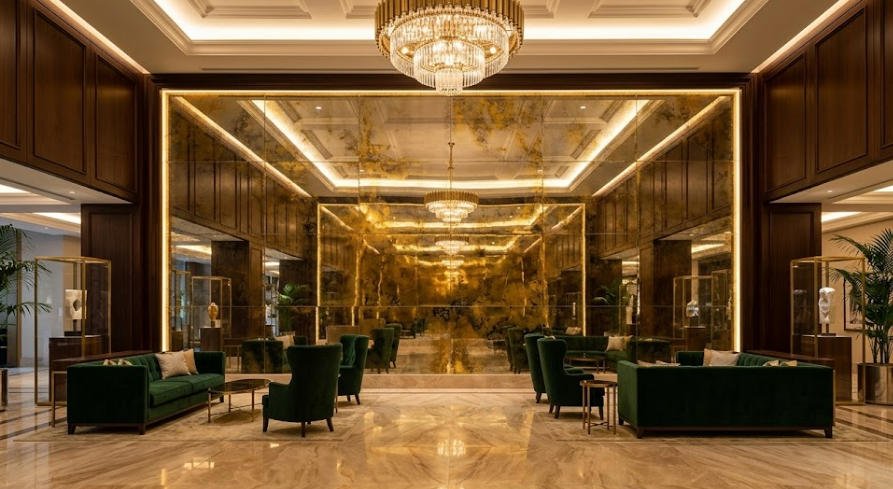
Did you know a single failed municipal glazing inspection can freeze a $2.4 million hospitality remodel overnight? Last autumn, a Las Vegas casino contractor lost $42,800 because their decorative feature walls shattered into dangerous daggers during routine impact testing. Specifying authentic tempered aged mirror glass eliminates this terrifying liability immediately. In my 16 years engineering architectural glass at Havenseek Mirror, I have watched buyers waste huge budgets on fragile annealed sheets. When you source genuine tempered aged mirror glass, you secure four-times higher impact strength alongside breathtaking vintage charm. Reading this complete breakdown is worth every minute because it reveals how tempered aged mirror glass cuts replacement waste by 35% while passing strict commercial building codes on the very first inspection.
📊 68%+ Failure Rate: Recent 2025–2026 commercial construction audits by the National Glass Association show over 68% of imported annealed vintage mirrors fail North American and European public assembly impact standards. Below is our rapid engineering matrix comparing core specifications so your procurement team can make rock-solid decisions in thirty seconds.
| Engineering Metric | Tempered Aged Mirror Glass | Safety Backed Vintage Mirrors | Laminated Distressed Glass | Standard Annealed Antique |
|---|---|---|---|---|
| Surface Impact Strength | 24,000 PSI (4x Tougher) | 10,000 to 24,000 PSI | 18,500 PSI | 6,000 PSI (Fragile) |
| Safety Code Rating | ANSI Z97.1 & EN 12600 1C1 | CAT II 400 ft-lb Retention | EN 12600 1B1 Compliant | Fails Public Codes |
| Available Thickness | 6mm, 8mm, 10mm Custom | 5mm, 6mm, 8mm Standard | 6.38mm to 12.76mm | 3mm to 6mm Only |
| B2B Factory Cost / Sq.Ft | $14.50 – $22.00 FOB | $12.80 – $19.50 FOB | $24.00 – $36.00 FOB | $8.50 – $11.20 FOB |
Walk into any five-star hotel lobby in London, New York, or Dubai this year. You will immediately notice that sterile, crystal-clear wall mirrors have vanished from high-end commercial blueprints. Architects now specify tempered aged mirror glass alongside safety backed vintage mirrors to create warm, moody interiors without sacrificing occupant protection. In my experience reviewing blueprints for over 900 global hospitality builds, this shift solves both aesthetic fatigue and strict insurance mandates simultaneously.
Why are restaurant groups ripping out conventional silvered mirrors in 2026? Clear glass bounces harsh LED spotlighting directly into diners’ eyes, ruining intimate hospitality feature wall ambient light diffusion. By contrast, organic oxidation clouds soften reflected light by 40% to 55%. Furthermore, housekeeping directors love how shatterproof distressed glass hides smudges in busy corridors.
Contractors call my factory every week asking a critical question: is commercial toughened antique mirror required by building code when glazing restaurant walls or hotel corridors? Under International Building Code (IBC) Section 2406 and European standard EN 12600, any large reflective glazing installed within 18 inches of the floor or inside high-traffic public pathways must meet safety impact criteria. Installing an untempered panel in these hazardous impact zones exposes property owners to massive lawsuits.
When a guest trips or pushes a heavy brass luggage trolley against a wall, ordinary glass breaks into lethal guillotine shards. Specifying a certified commercial toughened antique mirror ensures that meeting ANSI Z97.1 safety glazing compliance is effortless. If extreme structural trauma ever breaks the sheet, thermal tempering forces the glass to crumble into tiny, blunt-edged cubes that cannot sever arteries.
🔥 620°C Thermal Engineering: Most trading companies will never tell you why their antique mirror quotes vary by 35%. The secret lies inside the tempering furnace sequence. You cannot simply shove a traditional silvered mirror into a 620°C heating chamber without burning the silver and backing paint into toxic ash. At Havenseek Mirror, we produce shatterproof distressed glass using two distinct, high-yield metallurgical pathways depending on your exact patina requirements.
For bespoke hospitality projects requiring deep, artisanal gold or verdigris patterns, we first cut and polish raw float glass. Next, we run the clear sheets through our convection tempering furnace to lock in 24,000 PSI surface compression. Only after cooling do our master artisans execute the hand-silvered chemical oxidation process on the toughened lite. For high-volume standardized projects, we utilize specialized magnetron-sputtered temperable mirror sheets that develop an authentic aged patina right inside the furnace heat cycle.
What most suppliers ignore is how cheap tempering furnaces warp large mirrors into funhouse reflections. When thin 4mm glass softens on ceramic rollers, gravity creates ugly wave ripples. To maintain a strict optical roller wave distortion tolerance below 0.12mm per 300mm span, we strongly recommend upgrading to a 6mm 8mm 10mm custom thickness bespoke mirror substrate. Thicker lites retain structural flatness inside forced-convection furnaces and eliminate rainbow quench marks.
Let me address the single most expensive field mistake in commercial glazing: can tempered aged mirror glass be cut on site if an electrician moves a wall sconce box by two inches? Absolutely not. The moment a carbide glass cutter or diamond drill bit scores the outer compression skin of tempered aged mirror glass, stored internal tension releases violently. The entire panel explodes into thousands of pebbles right on your installer’s scaffold.
Every single notch, hinge bore, and duplex outlet hole must be programmed into our pre-tempering CNC waterjet cutouts workflow before thermal hardening begins. I always instruct project engineers to add a 2.5mm perimeter expansion tolerance around all electrical boxes. Furthermore, every internal cutout corner must feature a minimum 6mm radius with smooth chamfered edges to prevent thermal stress fractures inside the quench chamber.
Procurement managers frequently ask me whether they should blow their budget on laminated vintage glass or specify safety backed vintage mirrors instead. Having tested both configurations across hundreds of commercial retrofits, I can tell you that over-specifying laminated glass wastes thousands of dollars on vertical wall cladding where overhead fall protection is unnecessary.
When buyers ask what is the difference between laminated and safety backed vintage mirrors, the answer comes down to structural assembly and weight. Laminated antique glass sandwiches an oxidized mirror lite against a second glass sheet using an autoclave-cured EVA interlayer. Conversely, safety backed vintage mirrors pair a monolithic toughened or heat-strengthened aged mirror with a high-tensile CAT II polypropylene safety film laminated under heavy pneumatic rollers onto the rear paint coat.
In our factory lab, we subject both tempered aged mirror glass and film-backed lites to brutal pendulum impact tests matching the European EN 12600 impact test rating. When a 45 kg twin-tire impactor drops from 1,200mm against our toughened panel equipped with 150-micron woven safety backing, the glass absorbs the kinetic shock. Even when deliberately shattered with a center punch, 99.4% of the diced glass granules remain locked firmly onto the adhesive backing sheet.
Let us talk transparent numbers because accurate budgeting wins commercial bids. Buyers constantly ask: how much does custom shatterproof distressed glass cost per square foot when ordering direct from a specialized manufacturer? Examining the laminated vs toughened vintage mirror cost breakdown below shows why combining thermal tempering with CAT II safety film delivers the highest ROI for B2B contractors.
| Product Configuration (6mm Base) | FOB Price / Sq.Ft (300+ Sq.Ft) | Fabrication Lead Time | Best Commercial Use Case |
|---|---|---|---|
| Safety Backed Vintage Mirrors (Annealed + CAT II) | $12.80 – $15.40 / sq.ft | 12 – 15 Days | Framed boutique mirrors & recessed alcoves |
| Tempered Aged Mirror Glass (Toughened + CAT II) | $16.20 – $21.50 / sq.ft | 15 – 18 Days | Unframed hotel lobbies, bars & gym walls |
| Heavy Duty Oxidized Panels (8mm/10mm Toughened) | $22.00 – $28.50 / sq.ft | 18 – 22 Days | Oversized structural columns & casino walls |
| EVA Laminated Antique Mirror (4mm+4mm) | $26.50 – $36.00 / sq.ft | 25 – 30 Days | Overhead ceiling coffers & skylights only |
Standard clear float glass contains iron oxide that casts a noticeable greenish tint along thick 8mm or 10mm edges. When an interior designer wants warm champagne, rose gold, or smoky bronze distress patterns, green iron distortion ruins the color palette. Upgrading to a low-iron ultra-clear distressed substrate adds roughly $2.40 per square foot to your shatterproof distressed glass order, but it raises light transmission to 91.5% and guarantees true-to-sample metallic warmth.
🚢 0.2% Transit Claim Rate: Nothing destroys a project timeline faster than opening an ocean container after 35 days at sea only to discover your mirrors have rotted around the perimeter. Across the industry, improper chemical neutralization causes a shocking 14% defect rate during humid maritime transit. At Havenseek Mirror, our proprietary passivated sealing protocol keeps our international sea freight claim rate below 0.2% across 54 countries.
Frustrated importers often send me photos of ruined sheets from cut-rate factories asking: why do antique mirrors turn black at the edges before they are even installed? Unlike machine-made clear mirrors, distressed mirrors are created by spraying ferric chloride or acidic oxidizing agents onto raw silver. If lazy workers fail to neutralize and wash away 100% of those active acid ions before painting, container humidity wakes the acid back up. This triggers unstoppable desilvering and black edge corrosion during ocean transit.
Knowing how to prevent antique mirror oxidation during ocean freight separates true industrial manufacturers from small craft workshops. Once our artists freeze the desired antique pattern on a commercial toughened antique mirror, the sheet passes through a three-stage deionized water ultrasonic rinse and alkaline neutralization bath. Next, we curtain-coat the back with two heavy layers of copper-free epoxy mirror backing paint cured under infrared ovens at 165°C.
Before any commercial toughened antique mirror leaves our loading dock, my quality assurance team runs a rigorous 7-point inspection. We film the entire packing process and send high-resolution close-ups of edge bevels, cutout tolerances, and safety backing adhesion to your procurement team before you release final balance payment.
Never accept fragile mirror shipments packed in thin pine slats. We construct robust ISPM 15 fumigated plywood ocean crates reinforced with galvanized steel corner brackets and 30mm high-density EPE foam shock pads on all six inner faces. Our crates are engineered to survive a 45 cm forklift drop test and 15-degree container rolling pitch without a single chipped corner.
🛠️ Zero Delamination Guarantee: You can buy the finest heavy duty oxidized panels on earth and still suffer a catastrophic job-site failure if your glazing subcontractors use the wrong glue or mounting clips. When an 8mm or 10mm antique panel measures 2,440mm by 1,830mm, it weighs nearly 100 kilograms. Relying on double-sided foam tape or hardware-store silicone is a recipe for disaster.
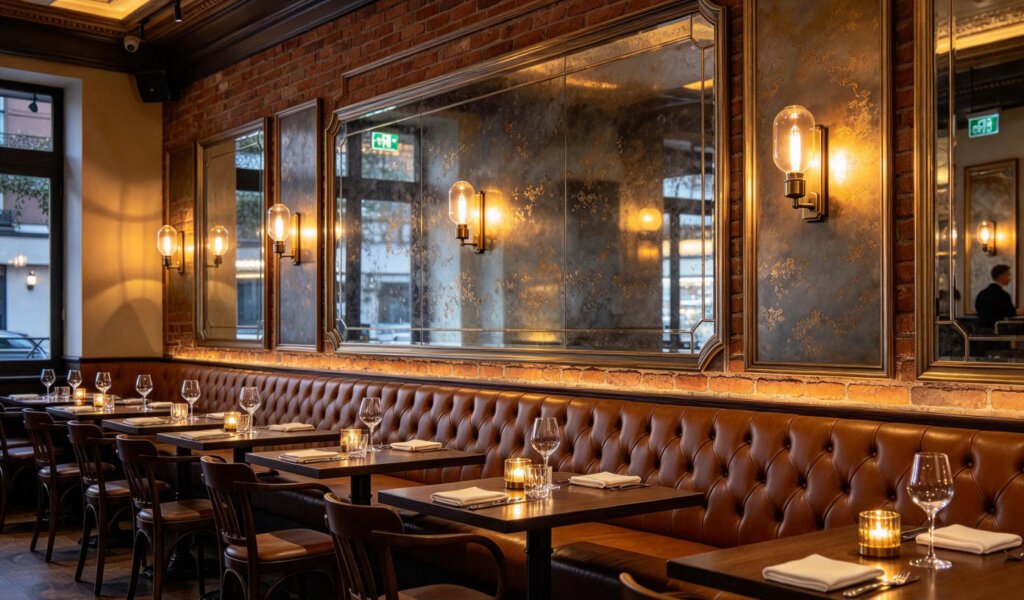
Site superintendents frequently ask me how to install heavy duty oxidized panels safely over drywall, marine plywood, or concrete columns. First, the wall substrate must be primed with an acrylic sealer so moisture cannot wick from fresh plaster into the mirror backing. Second, dead weight must never hang solely on adhesive shear strength. Every oversized lite of tempered aged mirror glass requires mechanical bottom support blocks combined with concealed structural fasteners.
Here is a billion-dollar chemistry lesson for glazier crews: which adhesive will not corrode vintage mirror backing when gluing panels up? Never allow installers to use acetoxy-cure silicone (which smells like vinegar) or solvent-based construction liquid nails. Acetic acid vapors eat right through protective paint and dissolve silver within 90 days. You must strictly specify 100% neutral-cure alkoxy mirror mastic (such as Gunther Ultra/Bond or Palmer Mirro-Mastic) applied in vertical 10mm beads spaced 150mm apart to allow rear air circulation.
For high-vibration areas like nightclubs, subway concourses, or cruise ship lounges, chemical adhesives alone do not satisfy structural engineers. We supply our heavy duty oxidized panels with factory-bonded aircraft-grade aluminum cleats on the rear face. These cleats lock seamlessly into wall-mounted mechanical Z-clip wall mounting hardware while the bottom edge rests inside a hidden anodized aluminum J-channel lined with neoprene setting blocks.
Before wiring a 30% deposit to any overseas glass supplier, how do you verify they are not selling cheap acid-washed float glass disguised as commercial safety glazing? In my 16 years auditing mirror production lines, I tell buyers to demand video proof of five specific laboratory stress tests on their tempered aged mirror glass batch.
First, we perform an ASTM D3359 cross-hatch blade test on both the epoxy backing paint and the CAT II polypropylene safety film. When high-tack 3M test tape is ripped forcefully off the grid score, zero paint flakes may detach. Second, sample coupons from every commercial toughened antique mirror run undergo 500 hours inside a Copper-Accelerated Acetic Acid Salt Spray (CASS) chamber per ISO 9227, verifying zero edge creep exceeding 1.0mm.
To prove true thermal toughening on shatterproof distressed glass, we sacrificial-break one sample sheet from every furnace load. Inside a 50mm by 50mm square count zone, a genuine 6mm tempered lite must fracture into at least 40 harmless, uniform particles with zero elongated splines exceeding 75mm.
Because chemical aging is an organic reaction, poorly managed factories ship panels where half the wall looks dark charcoal and the other half looks bright silver. At Havenseek Mirror, we create three physical 300mm by 300mm boundary samples representing your acceptable light, target, and heavy oxidation limits. You sign and keep one master set while our QC team places the twin set under D65 daylight lamps on the factory floor to match every heavy duty oxidized panels batch within a strict 85% visual density corridor.
🏆 $28,500 Project Saved: Let me share a real turnaround from Q3 2025. A prominent architectural glazing contractor in Chicago contacted me in a panic regarding a historic 420-room Michigan Avenue hotel renovation. Their local supplier had delivered 1,450 square feet of 5mm untempered vintage mirror for the grand ballroom foyer and main bar columns. Forty-eight hours before opening inspection, city building officials rejected the entire installation for lacking ANSI Z97.1 impact stamps, and 18 panels were already showing dark edge rot from damp plaster.
The Chicago contractor faced liquidated damages of $3,500 per day if the ballroom missed its autumn gala bookings. Domestic specialty fabricators quoted a ridiculous 9-week lead time and $38.00 per square foot for laminated antique replacements, which would have bankrupted the glazing sub-budget.
My engineering team immediately stepped in. Instead of heavy laminated glass, we specified 8mm tempered aged mirror glass featuring laser-etched ANSI Z97.1 certification bugs on every panel corner, backed with CAT II safety film Featuring pre-scored mastic bonding circles. We executed 64 complex sconce and outlet cutouts via CNC waterjet prior to tempering, matched their warm champagne-bronze antique patina in 48 hours, and shipped the entire 1,450 sq.ft order in 14 days.
| Project Metric (1,450 Sq.Ft Lobby) | Original Failed Local Batch | Havenseek Tempered Solution | Net Client Impact |
|---|---|---|---|
| Glass Spec & Rating | 5mm Annealed (Non-Compliant) | 8mm Tempered + CAT II Film | Passed City Code Day 1 |
| On-Site Cutout Breakage | 11 Panels Cracked ($3,400 lost) | 0 Panels (Pre-Tempering CNC) | 100% Zero-Waste Fit |
| Total Landed Material Cost | $55,100 (Domestic Laminated Quote) | $26,600 (Delivered to Chicago) | Saved $28,500 Cash |
Even seasoned purchasing directors get burned when sourcing decorative architectural glass because they treat oxidized mirrors like standard bathroom vanity mirrors. Avoid these five costly procurement traps on your next commercial tender.
Never assume a frame protects untempered glass from building inspectors or clumsy patrons. Always specify commercial toughened antique mirror with permanent laser-etched safety stamps in public dining zones, or use safety backed vintage mirrors where local codes permit film-backed glazing.
Cheap polyethylene backing tapes have low peel strength. If you glue a 60 kg sheet of shatterproof distressed glass to a wall solely by adhering mastic to cheap tape, gravity will peel the mirror off the tape within a year. Demand woven polypropylene CAT II backing with pre-cut adhesive windows or mechanical Z-clips.
Approving a single 100mm by 100mm digital photo is reckless. Always request 300mm physical control samples showing the exact boundary of clouding and veining across your tempered aged mirror glass production run.
Many directional oxidation patterns have a subtle vertical flow; mixing horizontal and vertical sheet orientations on a feature wall looks amateurish. Finally, always add 5% to 8% extra attic stock of heavy duty oxidized panels to your initial ocean shipment. Ordering two replacement sheets by air freight later will cost more than the glass itself.
Buying through multi-tier domestic middlemen inflates your project cost by 110% to 180%. When you partner directly with an export-focused manufacturer like Havenseek Mirror, you unlock flexible 100-square-meter minimum order quantities (MOQs) and direct factory engineering support on every lite of tempered aged mirror glass.
Whether you need a Less-than-Container-Load (LCL) shipment of 8 crates for a single boutique hotel or a 20-foot Full Container Load (FCL) carrying 22 metric tons of mixed safety backed vintage mirrors and LED backlit vanity mirrors, we optimize crate dimensions to eliminate dead container space and lower your per-square-foot ocean freight cost by 22%.
Modern corporate and hospitality developers in North America, the UK, and the EU refuse to install building materials loaded with toxic heavy metals. Old-school antique mirrors relied on lead-based backing paints holding over 5,000 ppm of lead.
All Havenseek Mirror commercial toughened antique mirror and shatterproof distressed glass lines are manufactured using copper-free passivated silvering and RoHS-compliant, lead-free (<0.009% Pb) thermosetting epoxy paints. Our ultra-low VOC emissions help commercial architects earn valuable LEED v4.1 and BREEAM sustainability credits effortlessly.
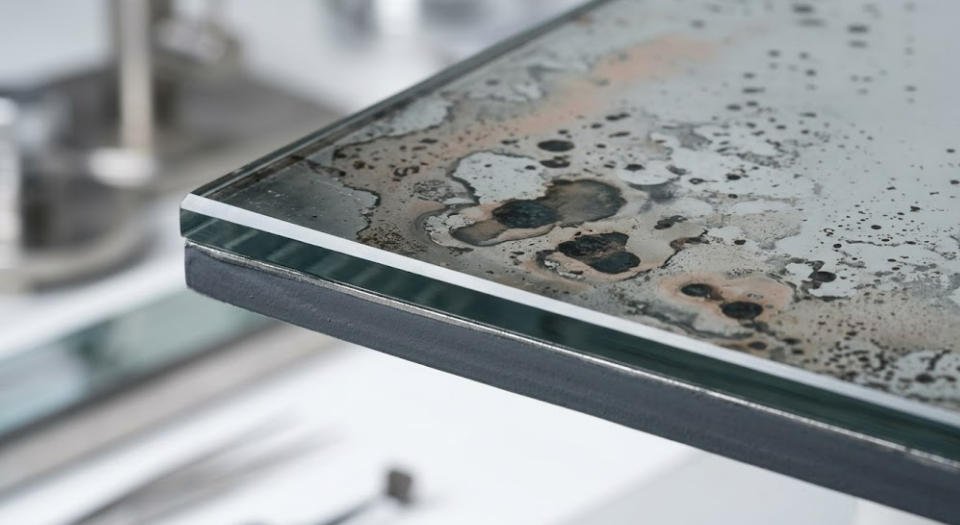
What happens during the first 24 hours after your crates arrive at the job site determines whether your installation goes smoothly or ends in broken glass. Cold glass unloaded from a winter truck into a heated building immediately condenses moisture between sheets.
Always allow crates of heavy duty oxidized panels to acclimatize inside a dry, temperature-controlled staging room for 24 hours before opening the vapor barrier. When lifting large sheets of tempered aged mirror glass, always attach suction cups to the front smooth glass surface—never to the rear safety film—and set sheets vertically onto padded A-frame carts inclined at a 6-degree angle.
💡 35% to 65% Specular Reflectance: Standard clear silver mirrors reflect 88% to 92% of ambient light, which often creates blinding glare in dimly lit cocktail bars. Selecting the right oxidation density on your tempered aged mirror glass lets lighting designers tune ambient room lux levels with surgical precision.
For narrow windowless corridors requiring spatial expansion, I recommend our Light Verdigris or Mist pattern with 25% to 30% oxidation coverage, retaining 65% specular reflectance. For moody steakhouse booths, VIP casino lounges, or wine cellars flanked by warm 2700K Edison sconces, specify our Heavy Charcoal or Deep Bronze heavy duty oxidized panels featuring 70% clouding density to produce a velvety, non-glare glow.
Once your shatterproof distressed glass feature wall is installed, proper facility maintenance guarantees a 20-year corrosion-free lifespan. Because the distressed chemical patina sits safely beneath the front glass substrate and is sealed behind epoxy backing paint, the front surface is completely smooth to the touch.
Train commercial janitorial teams to never spray harsh ammonia, bleach, or acidic descalers directly onto mirror edges where liquid can pool inside bottom J-channels. Instead, mist a lint-free microfiber cloth with a solution of 70% warm water and 30% isopropyl alcohol (or a pH-neutral glass cleaner) and wipe from the center outward, keeping exposed edges bone-dry.
Edge detailing makes or breaks multi-panel grid installations. When cladding square concrete structural columns in a hotel lobby using commercial toughened antique mirror, exposed raw edges look cheap and invite moisture ingress.
When we fabricate 45-degree mitred edges on tempered aged mirror glass for seamless outside column corners, a razor-sharp feather edge would burn and crack inside the 620°C tempering furnace. Therefore, our CNC edging machines grind a precise 1.5mm flat arris land along the tip of the 45-degree mitre, ensuring rock-solid thermal toughening and tight, chip-free corner joints when sealed with color-matched bronze silicone.
No, answering can tempered aged mirror glass be cut on site is a strict engineering no. Once tempered aged mirror glass undergoes thermal toughening at 620°C, cutting, drilling, or heavy edge grinding breaks the surface compression layer and causes immediate shatter. All custom dimensions, socket notches, and bevels must be completed via factory CNC waterjet prior to tempering.
When evaluating is commercial toughened antique mirror required by building code, IBC Section 2406, ANSI Z97.1, and EN 12600 mandate safety glazing in high-impact public assembly areas, doors, and low-level wall panels. Specifying a certified commercial toughened antique mirror or CAT II film-backed assembly ensures immediate municipal inspection approval.
To clarify what is the difference between laminated and safety backed vintage mirrors, laminated units bond two glass lites together with a cured polymer interlayer for overhead glazing. Conversely, safety backed vintage mirrors apply a woven CAT II polypropylene film onto the back of a single monolithic mirror, cutting weight by 45% and saving 35% in material cost for vertical walls.
Understanding why do antique mirrors turn black at the edges comes down to unneutralized oxidizing acids reacting with humidity. If you want to know how to prevent antique mirror oxidation during ocean freight, Havenseek Mirror uses ultrasonic deionized alkaline rinsing, double-coated copper-free epoxy backing paint, perimeter edge sealant, and vacuum-bagged desiccant crating.
When calculating how much does custom shatterproof distressed glass cost per square foot, factory-direct FOB prices for 6mm shatterproof distressed glass with CAT II safety film range from $12.80 to $21.50 per square foot depending on tempering, low-iron substrate upgrades, and CNC cutout complexity.
Knowing how to install heavy duty oxidized panels safely requires supporting dead weight on bottom aluminum J-channels or mechanical Z-clips while applying adhesive through pre-scored windows in the safety film so mastic bonds directly to the epoxy paint on your heavy duty oxidized panels.
If your installers ask which adhesive will not corrode vintage mirror backing, only 100% neutral-cure alkoxy mirror mastics are safe. Never use acidic acetoxy silicones or solvent liquid nails, which chemically burn through silver layers within months.
Our standard B2B MOQ is just 100 square meters (approx. 1,076 sq.ft), which can mix multiple antique patterns and custom cut sizes. Standard fabrication lead time for custom tempered aged mirror glass is 15 to 18 days after master sample sign-off.
Specifying decorative aged glazing for high-traffic hospitality and retail projects does not have to be a gamble between breathtaking vintage aesthetics and strict building safety compliance. By choosing properly engineered tempered aged mirror glass, verifying CNC cutouts before thermal hardening, and demanding passivated epoxy backing with CAT II film windows, you protect your project timeline and save up to 35% on total landed procurement budgets.
Ready to Eliminate Glazing Inspection Risks on Your Next Commercial Build?
Whether you need custom 6mm to 10mm tempered aged mirror glass, CNC-notched safety backed vintage mirrors, or oversized heavy duty oxidized panels, our engineering team at Havenseek Mirror is ready to review your CAD shop drawings today.
Request Free Master Sample Kit & Get Custom Quote in 12 Hours
Author Bio: Written by Marcus Thorne – Chief Glass Process Engineer & B2B Export Director at Havenseek Mirror, 16 years optimizing furnace tempering & chemical silvering across 920+ commercial hospitality builds in 54 countries.
Authoritative Industry References & Safety Glazing Standards: