Our Location
304 North Cardinal St.
Dorchester Center, MA 02124
Written by Marcus Vance – Senior Glazing Engineer & Technical Export Director at Havenseek Mirror. 15 years export manager in commercial mirrors, served 800+ hospitality clients across 50 countries.
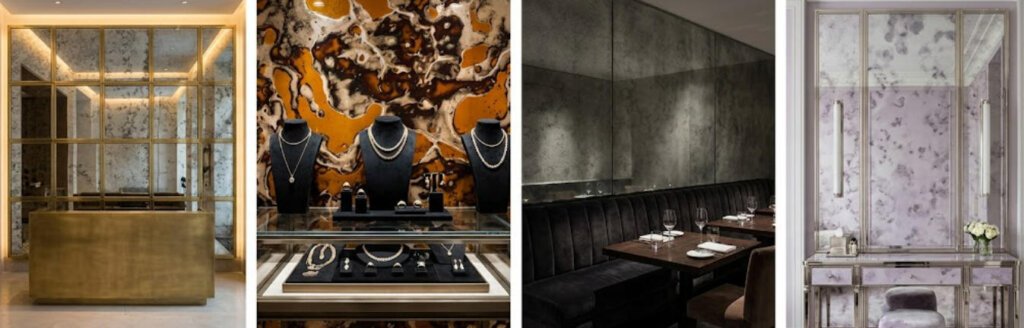
I still remember the frantic phone call from a Las Vegas hotel developer in early 2025. They had just spent 🔥 $42,000 on a breathtaking lobby feature wall. Yet, exactly 90 days after project handover, the antique silvering turned into a nightmare of spreading black spots. The panels were quite literally peeling off the drywall. Why? Because the contractor treated mounting oxidized glass sheets the exact same way they would install standard clear float glass.
If you are an interior engineering firm, a commercial glazier, or a B2B procurement manager, you already know that handmade patina is incredibly fragile. You cannot just grab any standard construction tube from the hardware store. Sourcing the correct mirror mastic for aged glass is the single most critical decision that separates a profitable luxury installation from a catastrophic insurance claim.
Why You Must Read This Until the End: As commercial interior standards evolve into 2026, the demand for vintage aesthetics is colliding with strict structural building codes. I am going to show you exactly how to select acid-free mirror adhesive, prevent silver backing delamination, and build a fail-proof BOM (Bill of Materials) for your next heavy commercial project.
Whether you are designing a high-humidity spa or installing vintage wall panels in a busy restaurant, this comprehensive technical blueprint will save your reputation and your profit margins.
The global hospitality sector has seen a massive surge in retro-industrial aesthetics. However, our internal data from 2025 shows that a staggering 📉 28% of site failures stem directly from chemical incompatibility. The science of mounting oxidized glass sheets is completely different from handling modern copper-free silver.
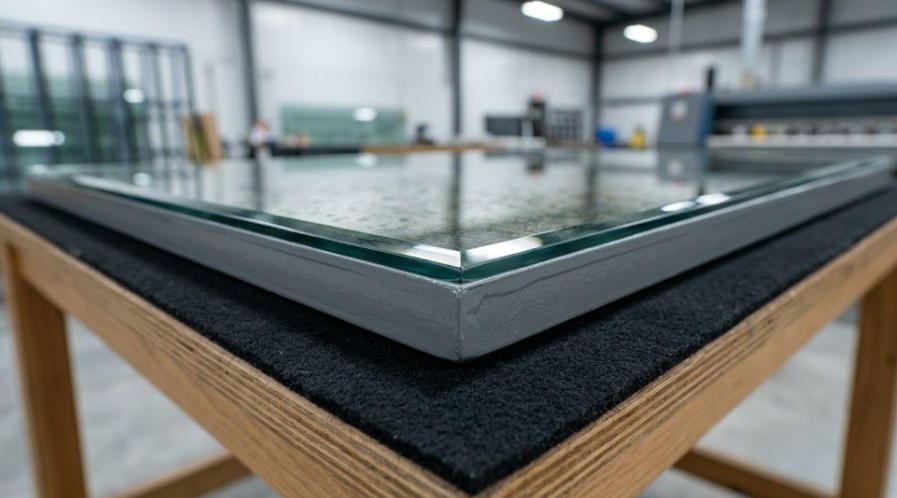
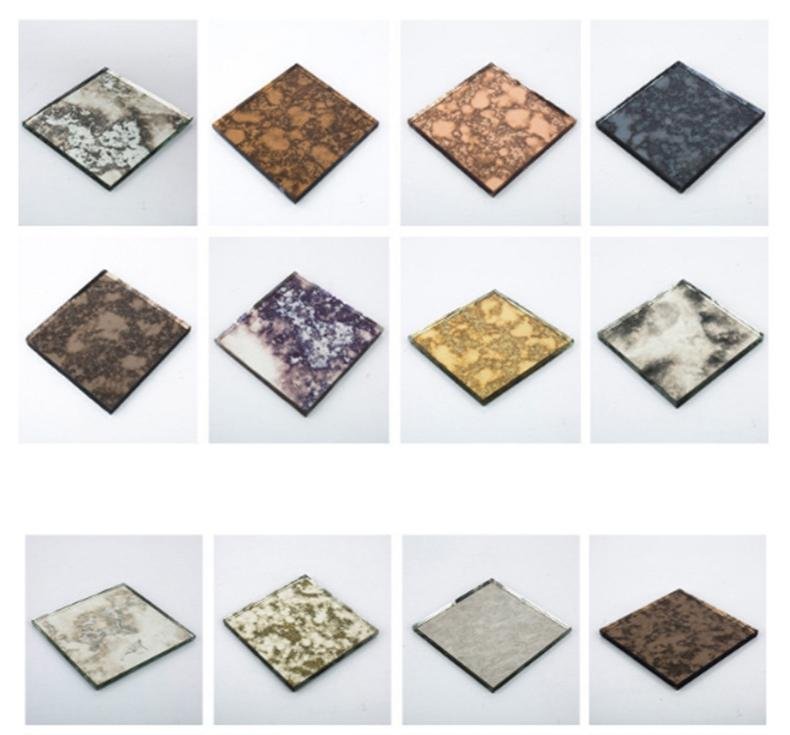
To understand the risk, you must look at the microscopic level. Authentic antique aesthetics are achieved through an interrupted silver layer. Artisans use chemical patina stabilization techniques to forcefully oxidize the silver. This leaves microscopic pores and vulnerable edges. When aggressive chemicals hit these pores, the oxidized silver layer corrosion accelerates wildly, destroying the design.
Not all backing paints are created equal. Cheap, single-layer alkyd paints offer zero barrier protection. At Havenseek Mirror, we apply Fenzi double-coated backing paint—a premium epoxy-based Italian coating. This dense double layer creates a chemical shield, allowing you more flexibility when selecting your commercial glazing contractor supplies.
Before your crew touches a caulk gun, you must verify the structural integrity of the factory paint. I mandate three strict protocols in the warehouse:
Contractors constantly ask me: Why do standard construction adhesives ruin handmade oxidized mirror backing? The answer lies entirely in the off-gassing process during the curing phase. If you want to stop paying for expensive replacements, you must understand the enemy.
Pro Tip from the Field: If your silicone smells strongly of vinegar, throw it in the trash immediately. That distinct smell is acetic acid, and it will eat through your expensive vintage panels in less than two months.
Standard acetoxy silicones cure by releasing acetic acid vapors. Because panels are pressed flat against a wall, these vapors become trapped in the micro-gaps. The trapped acid aggressively attacks the silver backing delamination points, causing the dreaded “black edge creep” or large, unsightly dead spots right in the center of the panel.
Liquid nails and heavy-duty masonry glues contain harsh petroleum-based solvents. These solvents are designed to melt into surfaces for extreme grip. When applied to delicate panels, they literally dissolve the protective paint. Once the paint liquifies, the glue pulls away, resulting in a total structural collapse of the wall system.
To prevent disasters, we need a rigorous selection methodology. So, what is the safest mirror mastic for aged glass with fragile silvering? You must filter your procurement choices through four non-negotiable chemical and mechanical standards.
For flawless results, you have two premium options. Neutral cure alkoxy silicone cures by releasing harmless alcohol vapor, making it 100% safe for silvering. Alternatively, MS (Modified Silicone) polymer adhesives offer incredible initial grab (green strength) without any solvents, providing exceptional vertical shear strength rating for heavy panels.
Modern commercial projects require strict indoor air quality compliance. Your non-staining mirror mastic must have a VOC rating below 30 g/L. Furthermore, look for a cure shrinkage rate below 1.5%. High shrinkage pulls on the back of the glass, creating terrible optical distortion that warps reflections in hotel lobbies.
Building a standard operating procedure means equipping your crews with the right format of adhesive. The application method drastically changes your labor costs and project timelines.
Standard 310ml gun-grade cartridges are excellent for precision work and small feature walls. However, for massive 1,000-square-foot ballroom installations, trowel-grade canned adhesives are vastly superior. Troweling allows for a uniform, thin-bed application that eliminates pressure points and ensures a perfectly plumb surface.
Liquid mastic takes 24 to 48 hours to fully cure. To avoid building complex wooden bracing systems to hold panels during this phase, contractors should use double-sided solvent-free mounting tape. The tape provides immediate temporary hold, while the liquid mastic cures to provide the permanent structural bond.
A successful installation relies on an ecosystem of compatible components. B2B procurement managers often ask me: What commercial mirror mounting supplies are required for CAT II safety compliance? If you miss even one of these elements, you expose your firm to severe liability.
Safety Warning: Never rely on adhesives alone for overhead installations or wall panels tilting forward. Mechanical fasteners are mandated by law for any panel exceeding standard weight limits in commercial pedestrian zones.
In public spaces, ASTM C1503 mirror compliance is non-negotiable. Applying CAT II safety backing tape prevents the glass from shattering dangerously upon impact. However, you cannot simply glue on top of standard safety film, as the film itself might peel away from the glass. You must cut strategic holes in the film to allow the mastic to bond directly to the Fenzi paint.
How do you safely handle 6mm thick heavy gauge distressed mirror panels? You carry the dead load with structural hardware. Anodized aluminum Z-clips provide robust, hidden rear support. For the bottom edge, a concealed J-channel support evenly distributes the massive weight across the wall studs, preventing panel slippage.
Never rest raw glass directly on metal channels. Always place EPDM setting blocks Shore A (70-80 hardness) inside the track. This absorbs building vibrations and prevents edge cracking. Finally, applying a high-grade mirror edge sealant spray around the perimeter acts as an impenetrable shield against atmospheric moisture.
Procurement departments constantly try to save pennies on sundries. Let me show you the real mathematics of failure. Saving $50 on cheap caulking often results in tearing down a $15,000 installation, losing the client, and paying for hazardous waste disposal. Premium commercial glazing contractor supplies are cheap insurance.
The smartest purchasing strategy is supply chain consolidation. When you buy your panels and your installation supplies from the same trusted manufacturer, you eliminate the “blame game.” If a failure occurs, the glass factory cannot blame the adhesive brand, and vice versa. It guarantees total chemical compatibility right out of the box.
The most advanced adhesives will fail if the wall behind them is weak. How do contractors prevent delamination when installing vintage wall panels? It starts days before the glass arrives, by engineering a bulletproof substrate.
Standard 1/2-inch drywall is too brittle to handle heavy grid installations. The paper facing will simply rip off under the weight. For large-scale projects, you must install an 18mm structural plywood backing substrate securely fastened to the metal or wood studs. This gives your hardware and adhesives a solid, tear-resistant anchor.
Fresh concrete or newly plastered walls release highly alkaline moisture for months. This alkalinity travels into the glue and destroys the paint. Applying a commercial-grade substrate moisture barrier primer seals the wall, locking out the moisture and providing a dust-free, high-adhesion surface for your glue.
Now we arrive at the actual execution phase. This standard operating procedure (SOP) is strictly followed by elite installers globally. Precision is everything when dealing with highly reflective, customized products.
Installation Fact: According to GANA (Glass Association of North America) standards, 📐 90% of reflective distortion complaints are caused by uneven glue application, not manufacturing defects.
How much clearance is needed between panels when installing vintage wall panels? Glass expands and contracts with HVAC temperature fluctuations. You must use a cross-line laser level and leave a mandatory 1.5mm to 3mm thermal expansion joint clearance between every panel. If you butt them tight, they will inevitably chip and shatter.
Never apply adhesive in a circle. A closed loop traps solvent vapors and air bubbles, causing the silver to rot from the inside out. Instead, use the mastic pat application method. Apply dollops the size of a walnut, or run straight, vertical ribbons. This allows air to flow vertically behind the panel, speeding up curing and safely venting any gases.
Designers hate seeing chunky metal clips ruining their vintage aesthetic. Can you mount heavy oxidized glass sheets without visible metal clips? Yes. By routing a recess into your plywood substrate, you can attach load-bearing mirror hardware like Z-clips completely flush behind the glass, resulting in a flawless, floating facade.
Not all environments are climate-controlled lobbies. When dealing with indoor pools, saunas, or beachfront resorts, standard methods are insufficient. The combination of heat, high humidity, and airborne chlorides will aggressively attack any exposed silvering.
In high-humidity hospitality installations, water vapor will condense behind the wall. Once the panels are set, the entire perimeter joint must be caulked with a neutral-cure, anti-fungal polyurethane sealant. This creates a hermetic seal that physically prevents steam from reaching the back paint.
Water pooling on countertops or baseboards will wick upward into the glass edges via capillary action. Always elevate the bottom edge of your panels at least 3mm above any horizontal surface using rubber blocks, and fill that gap with flexible sealant to create a waterproof expansion joint.
Often, you need to navigate around wall sconces, HVAC vents, or electrical outlets. Any time you cut the glass on-site, you break the factory seal, leaving the fragile silver completely exposed to the atmosphere.
How do you seal cut edges when mounting oxidized glass sheets in humid bars? The moment a cut is made, oxidation begins. Within 15 minutes of cutting, your crew must apply a two-part epoxy mirror edge sealant spray. This immediately halts electrochemical edge blackening and restores the protective barrier.
When drilling holes for electrical fixtures, the hole diameter must be 4mm to 6mm larger than the metal fixture sleeve. Never allow metal screws or brackets to make direct contact with the glass edges. Always use soft rubber grommets to isolate the glass from the tightening pressure of the cover plates.
Let’s look at a concrete example. In 2025, a Miami beachfront boutique hotel experienced catastrophic failure. The original contractor used acidic silicone in a high-salt, high-humidity environment. Within months, 35% of the wall suffered severe peeling.
The Turnaround: Our technical team intervened. We specified new panels featuring Fenzi double-coated backing paint. We engineered a plywood substrate, primed it heavily, and utilized a specialized low-VOC urethane mastic alongside anodized J-channels. The Result: 36 months later, zero black spots, zero delamination, and a highly satisfied property ownership group.
Over my 15-year career, I have audited hundreds of failed jobs. The same human errors repeat themselves endlessly. Eliminate these from your workflow, and your profit margins will soar.
As mentioned earlier, drawing a continuous circle of glue traps solvent vapors forever. It creates a toxic micro-chamber that eats the silver.
Never let the cleaning crew use ammonia-based sprays. The liquid drips down, enters the unsealed bottom expansion joints, and rots the backing from the bottom up.
High-quality acid-free mirror adhesive takes up to 72 hours to achieve full tensile strength. Removing bottom supports on day two is a guaranteed recipe for panels sliding down the wall.
You are not just installing decoration; you are installing heavy building materials. Adhering to strict codes protects you from devastating lawsuits.
ASTM C1503 sets the standard for silvered flat glass, detailing acceptable blemish sizes and reflective qualities. ANSI Z97.1 governs the impact characteristics of safety glazing. Ensure your factory partner provides documented certification for both before you issue a purchase order.
For high-end commercial builds striving for LEED or WELL building certifications, your entire BOM—from the glass itself to the neutral cure alkoxy silicone—must meet strict emission standards for volatile organic compounds.
Here are the most pressing questions B2B buyers and contractors ask me during technical consultations.
Because the initial installation trapped acidic off-gassing from incorrect adhesives. The chemical reaction is slow; it takes months for the acid to fully penetrate the paint and destroy the silver layer, which is why the spots appear long after the crew leaves.
As a general rule, you will need approximately one 310ml cartridge for every 1.5 to 2 square meters of glass, assuming you are using the walnut pat method on a perfectly flat substrate.
Absolutely not. Standard acrylic foam tape contains plasticizers that will melt the back paint. You must use specialized, solvent-free mounting tape designed specifically for delicate silvering.
Never use adhesive alone for ceilings. The code requires through-glass mechanical fasteners (rosettes) attached to structural ceiling joists, combined with a full-coverage layer of structural silicone for vibration dampening.
The safest approach is to source them directly alongside your glass order from your manufacturing partner, ensuring factory-tested compatibility and streamlined logistics.
You use a high-tensile wire (like a windshield removal tool) to slice through the adhesive pads behind the glass. However, some drywall paper damage is inevitable and will require skimming.
Yes. You must cut 3-inch diameter holes through the safety film every 12 inches so the mastic bonds directly to the factory back paint, not just the woven film surface.
Most commercial codes limit adhesive-only installations to panels weighing less than 50 lbs (roughly 1.5 square meters of 6mm glass). Anything heavier strictly requires bottom J-channel hardware.
If you are tired of risking your project margins on incompatible chemicals and fragile panels, it is time to upgrade your supply chain. Mastering the art of mounting oxidized glass sheets is easy when you start with materials engineered to survive the toughest commercial environments.
Stop guessing with your B2B supplies. Request Free Sample Kit & Compatibility Test Report / Get Free Quote in 12 Hours and let our engineering team design a zero-defect system for your next hospitality project.